10 May 2024 | IT Tips
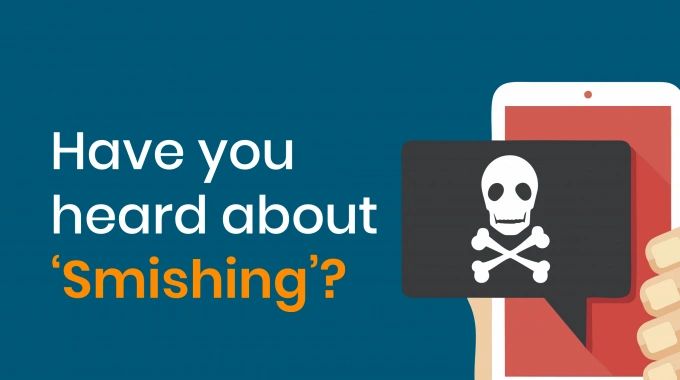
Modern communication is largely dominated by mobile devices and cybercriminals have devised new ways to exploit unsuspecting users, smishing stands out as a particularly insidious tactic. Short for “SMS phishing,” smishing involves the use of text messages to deceive individuals into divulging sensitive information or clicking on harmful links. This form of attack has become increasingly sophisticated, posing a significant risk to businesses worldwide. In this comprehensive guide, we will delve deeper into what smishing entails and provide detailed strategies to fortify your business against this pervasive threat.
“Smishing attacks can deliver malware to phones and any network that connects to it”
Understanding Smishing:
Smishing attacks rely on social engineering techniques to manipulate victims into taking actions that compromise their security. By leveraging the ubiquity of text messaging and the inherent trust associated with it, cybercriminals craft deceptive messages that appear legitimate. These messages often convey a sense of urgency or offer enticing incentives to prompt recipients to respond hastily. Common tactics employed in smishing attacks include:
1. Urgent Alerts: Scammers send messages purportedly from trusted entities, such as banks or government agencies, claiming that immediate action is required to rectify a problem or prevent dire consequences, such as account suspension or legal repercussions.
2. Spoofed Identities: To enhance credibility, smishing messages may spoof the sender’s identity by using spoofed phone numbers or impersonating well-known organizations. This tactic aims to deceive recipients into believing that the message is genuine.
3. Phishing Links: Smishing messages often contain hyperlinks directing recipients to fake websites designed to mimic legitimate platforms. These counterfeit sites are meticulously crafted to deceive users into entering sensitive information, such as login credentials or financial details, which are then harvested by cybercriminals.
“Hackers often use local numbers in smishing attacks”
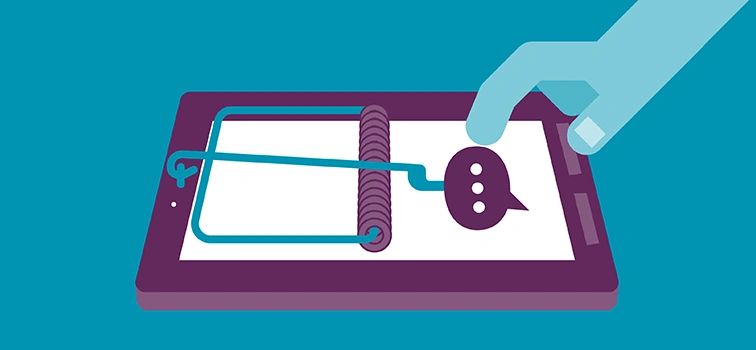
Defending Your Business Against Smishing:
Given the evolving nature of smishing attacks, it is imperative for businesses to adopt proactive measures to mitigate the associated risks. Here are comprehensive strategies to bolster your defenses against smishing:
1. Employee Training: Prioritize cybersecurity awareness training for all employees, educating them about the tactics used in smishing attacks and emphasizing the importance of exercising caution when interacting with text messages. Provide real-world examples of smishing attempts and encourage employees to remain vigilant at all times.
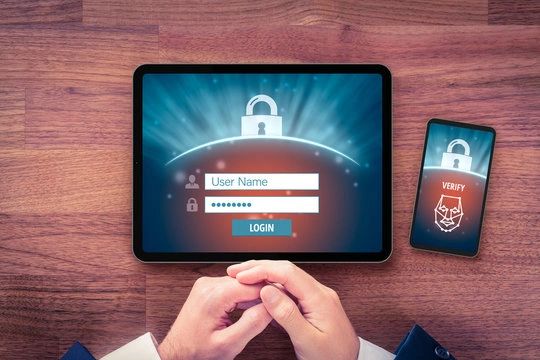
2. Implement Multi-Factor Authentication (MFA): Enforce multi-factor authentication (MFA) across all relevant systems and applications to augment security. MFA adds an extra layer of protection by requiring users to provide multiple forms of verification, such as a password and a one-time code sent via SMS, thereby thwarting unauthorized access even if login credentials are compromised.
3. Deploy Advanced Threat Detection Solutions: Invest in robust anti-spam and anti-phishing solutions equipped with advanced threat detection capabilities. These solutions leverage machine learning algorithms to analyze message content, identify patterns indicative of smishing attempts, and preemptively block malicious texts before they reach employees’ devices.
4. Establish Clear Communication Protocols: Define clear communication protocols within your organization for verifying the authenticity of text messages purportedly from internal or external sources. Encourage employees to verify the legitimacy of any unsolicited messages by directly contacting the purported sender through trusted channels before taking any action.
5. Regular Security Audits and Updates: Conduct regular security audits to identify and address potential vulnerabilities in your organization’s systems and infrastructure. Ensure that all devices, software, and applications are promptly updated with the latest security patches to mitigate the risk of exploitation by cybercriminals.
6. Promote a Culture of Vigilance: Foster a culture of cybersecurity awareness and accountability within your organization by encouraging employees to report any suspicious text messages promptly. Establish clear channels for reporting potential smishing attempts and provide guidance on appropriate responses to mitigate the impact of such attacks.
“Tax and fake delivery notifications are the most common types of smishing”
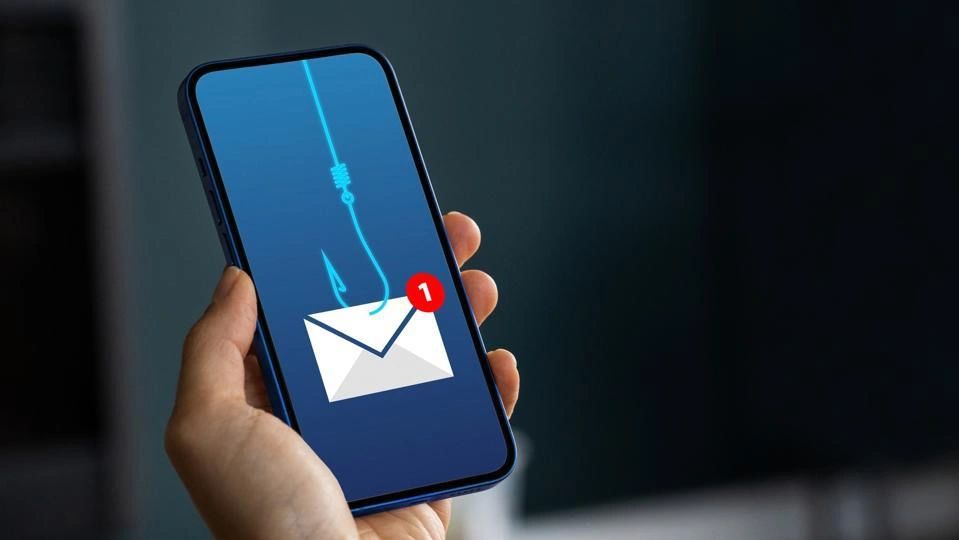
Smishing represents a pervasive threat to businesses, exploiting the trust and convenience of text messaging to deceive unsuspecting individuals. By understanding the tactics employed in smishing attacks and implementing comprehensive security measures, businesses can effectively safeguard their employees and assets against this evolving threat landscape. Remember, proactive defense strategies, combined with ongoing cybersecurity education and awareness, are essential components of a robust defense posture in the digital age. Stay vigilant, stay informed, and prioritize the protection of your business against smishing and other cyber threats.
Protect your devices and business from malware by using cyber security solutions available here at Parle Technologies. Let our experienced team of IT Security experts help you protect your company.
Yes, I’m Ready To Protect My Company
Share this post: