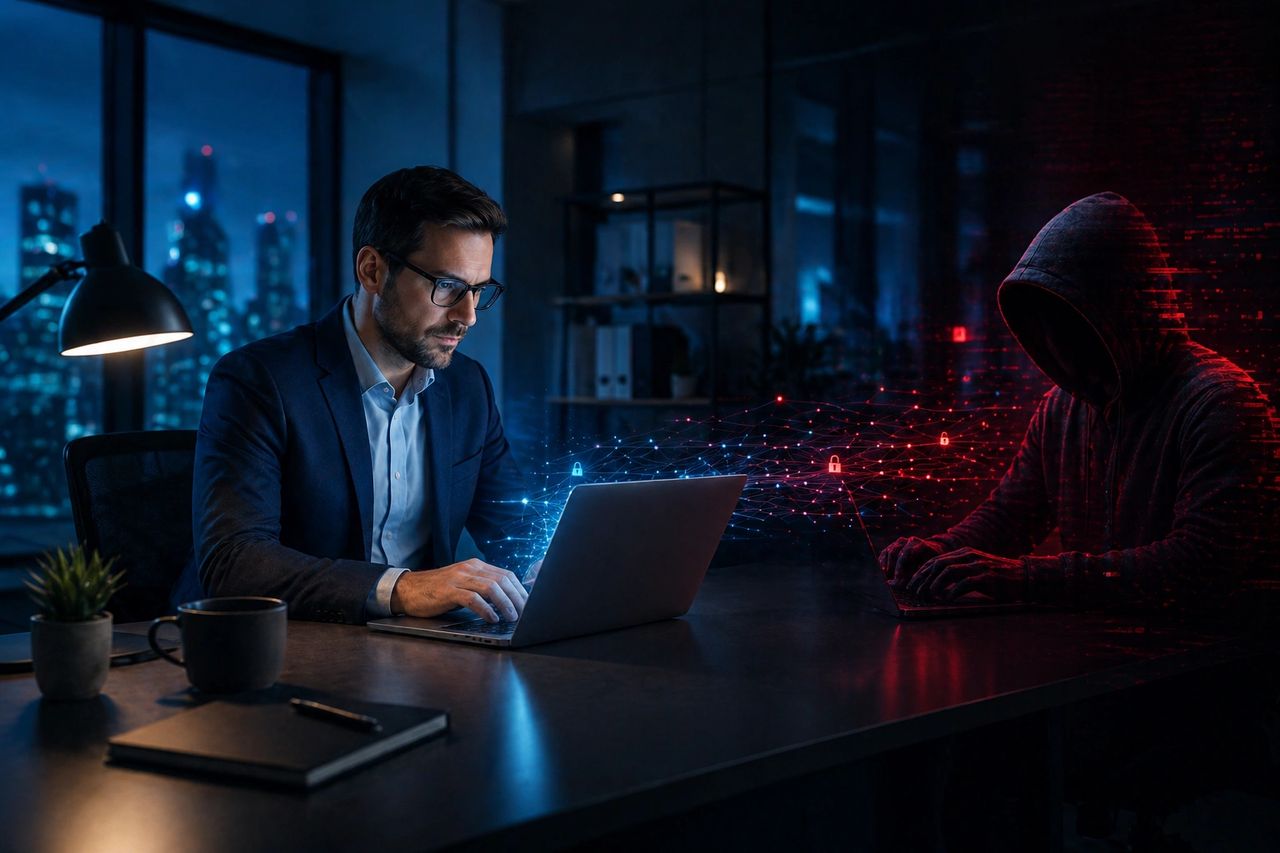
Imagine walking into your office, or logging into your remote workspace, and realizing one of your coworkers isn’t on payroll, doesn’t attend meetings, and never shows their face. Yet they have access to your emails, files, systems, and even financial data.
That “coworker” is a hacker.
This isn’t a dramatic scenario. It’s how modern cyberattacks actually unfold, quiet, persistent, and often unnoticed until real damage is done.
The Reality: Hackers Already Work “Alongside” You
In today’s digital workplace, especially with remote work and cloud adoption, attackers don’t need physical access. They operate inside your systems just like an insider.
According to recent U.S. cybersecurity reports:
Over 80% of data breaches involve stolen or compromised credentials
The average breach cost in the U.S. exceeds $9 million
It takes over 200 days on average to detect a breach
Phishing remains the #1 entry point for cyberattacks
These numbers highlight a hard truth: hackers aren’t breaking in, they’re logging in.
Meet Your “Unauthorized Coworker”
If hackers were coworkers, here’s how they would behave:
1. The Silent Observer
They sit quietly, monitoring communication, learning workflows, and identifying valuable data.
2. The Impersonator
Using stolen credentials, they send emails posing as executives or employees to trick others into sharing sensitive information or transferring funds.
3. The Data Thief
They download files, access customer databases, and extract intellectual property, often without triggering alarms.
4. The Saboteur
Some attackers deploy ransomware, locking your systems and demanding payment to restore access.
5. The Backdoor Builder
Even if detected, they leave behind hidden access points to return later.
How Do Hackers Get “Hired”?
Unlike real employees, hackers don’t go through HR. They exploit gaps:
Weak or reused passwords
Lack of multi-factor authentication (MFA)
Phishing emails targeting employees
Unpatched software vulnerabilities
Misconfigured cloud systems
One wrong click or missed update can grant them access.
Why U.S. Businesses Are Prime Targets
U.S.-based companies are especially attractive due to:
High-value financial and customer data
Heavy reliance on cloud platforms like Microsoft 365 and Google Workspace
Large remote workforce environments
Complex IT infrastructures with multiple entry points
Small and mid-sized businesses are particularly vulnerable because attackers assume weaker defenses.
Signs a “Hacker Coworker” Is Already Inside
Most breaches don’t start with chaos, they start quietly. Watch for:
Unusual login activity from unknown locations
Multiple failed login attempts
Unexpected password reset requests
Unknown devices accessing company systems
Sudden spikes in data transfer
Employees reporting suspicious emails
How to “Fire” the Hacker
Removing unauthorized access requires a proactive security approach:
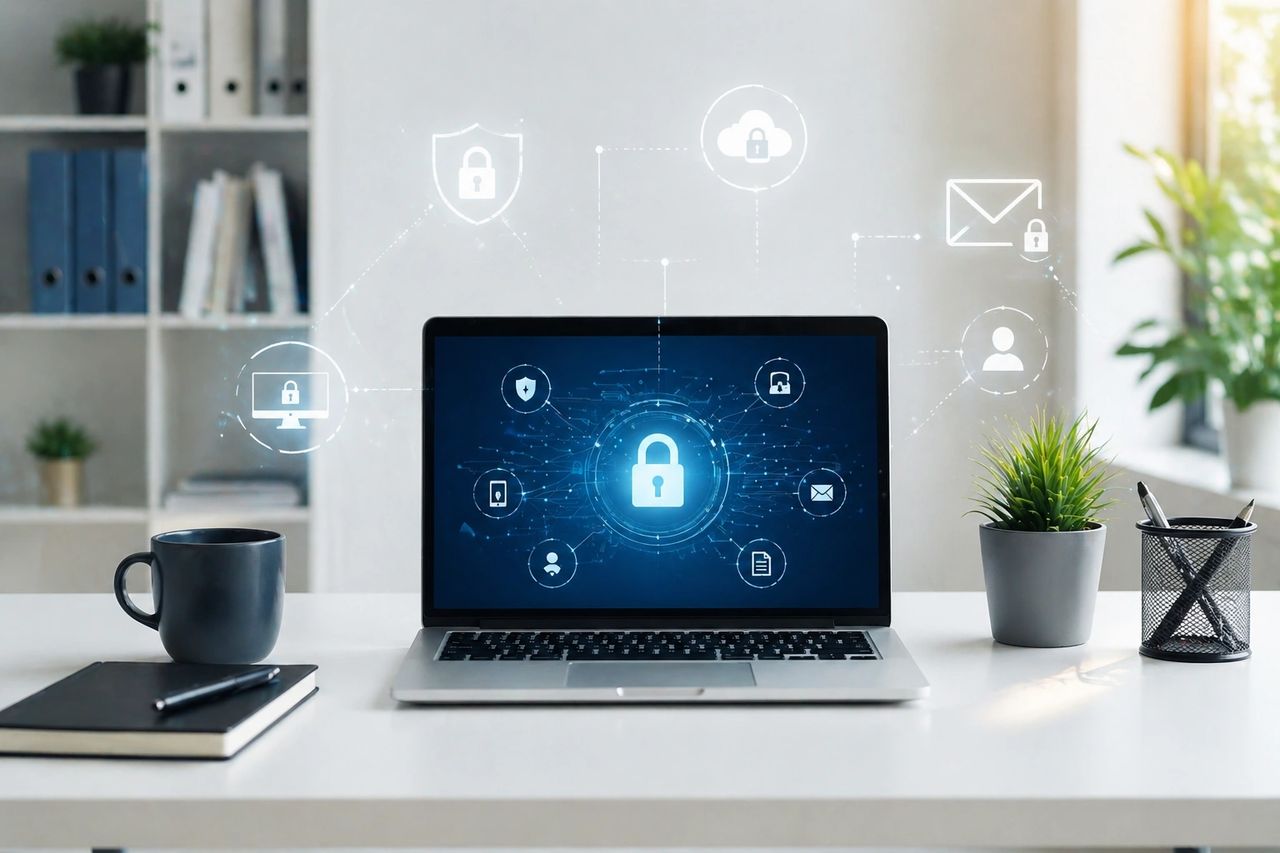
Strengthen Identity Security
Enforce strong passwords
Enable MFA across all systems
Train Employees
Conduct regular phishing awareness training
Simulate real attack scenarios
Monitor Continuously
Use endpoint detection and response (EDR) tools
Monitor logs and user behavior
Keep Systems Updated
Patch vulnerabilities regularly
Audit software and cloud configurations
Backup Everything
Maintain secure, tested backups to recover from ransomware
Stay Ahead with ParleTech
· Hackers move fast. Your defense should be faster.
· ParleTech secures your users, devices, and cloud systems while helping your team avoid everyday threats like phishing and credential theft.
Because one small gap is all it takes.
If any of these challenges sound familiar, it might be time to start a conversation withParle Technologies about how we can support your business!