
17 November 2023 | IT Tips
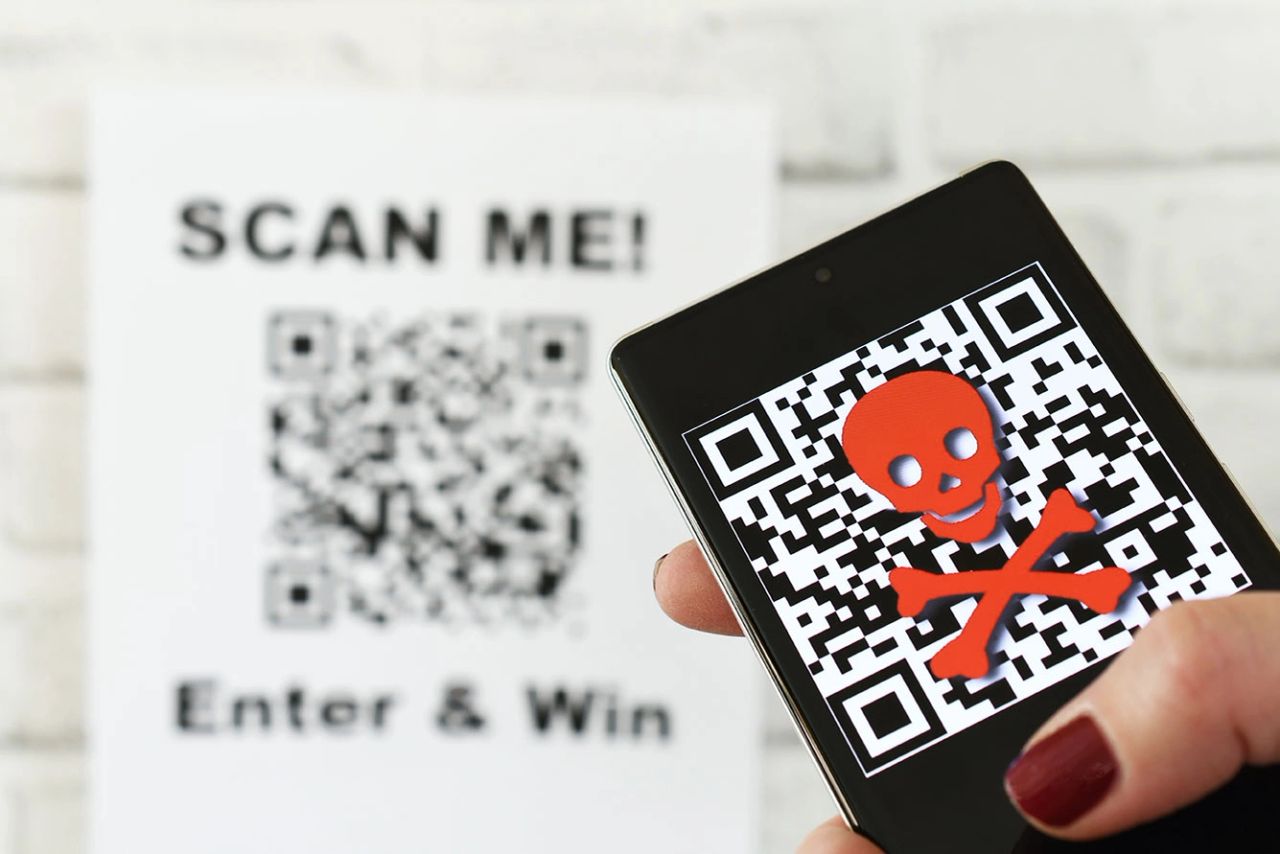
In the world of cyber threats, a sinister hybrid known as “quishing” has emerged, marrying the deceptive allure of QR codes with the malicious intent of phishing. Let’s delve into the intricacies of this digital menace, understanding how cyber attackers craft convincing counterfeit QR codes, distribute them strategically, and unleash a cascade of consequences upon unsuspecting users.
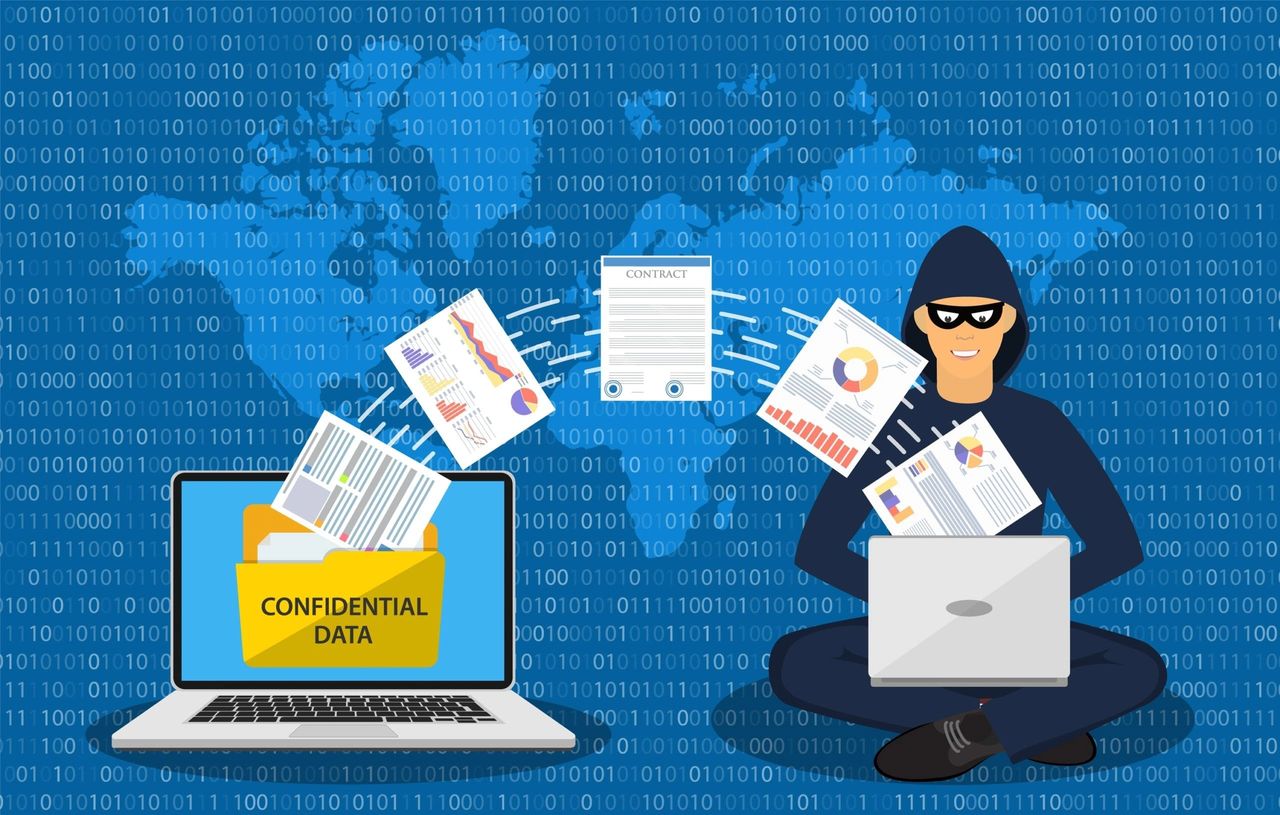
Crafting Deceptive QR Codes:
Cyber attackers employ their artistry to fabricate QR codes that are virtually indistinguishable from legitimate ones. The meticulous replication of appearances serves as a disguise, luring users into a false sense of security.
Strategic Distribution:
The deployment of these fraudulent QR codes is a carefully orchestrated act, unfolding in public spaces on flyers, posters, or labels. The attackers exploit the unsuspecting nature of passersby, capitalizing on the trust individuals often place in these seemingly innocuous codes.
Redirecting to Malicious Sites:
Upon the innocent act of scanning a malevolent QR code, users unwittingly find themselves redirected to counterfeit websites. Crafted to mimic authentic platforms, these sites are the gateway to a realm of deception. Alternatively, the QR code may silently initiate the download of a malicious application, casting a shadow of risk over the user’s device.
Impact on Users: Unraveling the Consequences

1. Financial Repercussions:
Quishing endeavors have a voracious appetite for financial assets. Cybercriminals seek to pilfer banking credentials, credit card information, or orchestrate unauthorized transactions, leaving victims grappling with significant financial losses.
2. Identity Theft Concerns:
The compromised personal information extracted through quishing becomes fuel for identity theft. Unauthorized access to accounts and the execution of fraudulent activities become chillingly feasible, transforming victims into unwitting actors in a digital drama.
3. Privacy Breaches:
Deceptive QR codes guide users to websites engineered for harvesting personal information. Users unknowingly expose themselves to potential cyber threats, their privacy breached and personal data laid bare for exploitation.
4. Device Vulnerability:
Scanning a malevolent QR code becomes a gateway to the download of harmful applications. The security of the user’s device is jeopardized, opening the door to unauthorized access and the compromise of sensitive data.
5. Phishing Tactics:
Quishing, with its cunning blend of QR codes and phishing, manipulates users into divulging sensitive information through deceptive means. The psychological tactics employed leave victims ensnared in a web of deceit.
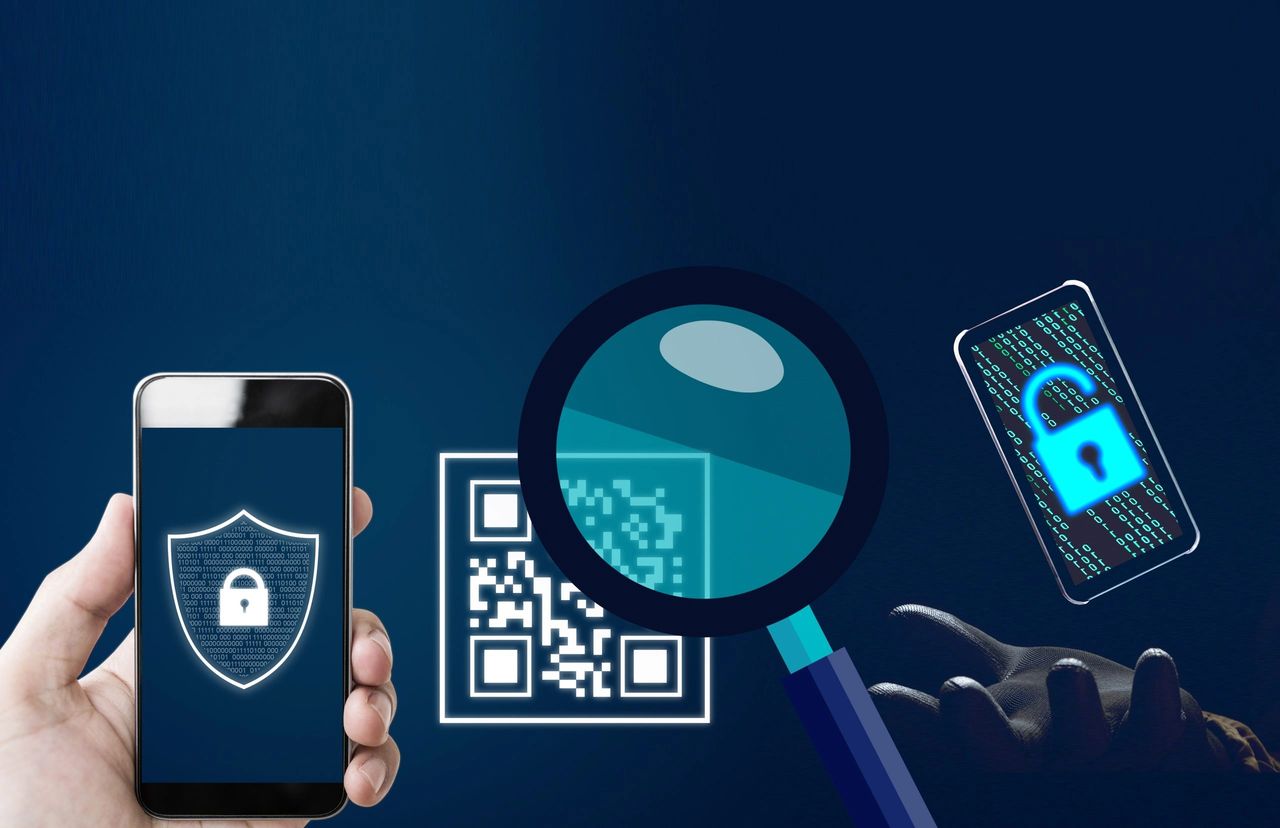
we’ve arrived at that point where QR codes have started being weaponized in phishing attacks.
The ominous threat of quishing underscores the importance of vigilance in our increasingly digitized lives. As we interact with QR codes in public spaces, let us do so with a discerning eye. Awareness, education, and the adoption of cybersecurity best practices are our armor in the face of this digital menace. By understanding the craftiness of cyber attackers and the potential consequences of quishing, we empower ourselves to navigate the digital landscape securely, shielding our finances, identities, and privacy from the clutches of this emerging threat.
“Stay connected with Parle to learn more about how you can fortify yourself against phishing attacks and ensure your safety in the evolving digital realm.”
Share this post: