15 December 2023 | IT Tips
.jpg/:/cr=t:0%25,l:0%25,w:100%25,h:100%25/rs=w:1280)
In an era dominated by digital interactions, QR codes have become an integral part of our daily lives, facilitating seamless information exchange. However, with the convenience they offer comes the emerging threat of “quishing,” a nefarious scheme aimed at exploiting unsuspecting users through manipulated QR codes. To bolster your defenses against potential phishing attacks using QR codes, adopting cybersecurity best practices is paramount.
Refer to our previous blog post, Are QR codes safe? to gain insights into QR code-related attacks. Building on that knowledge, let’s delve into practical steps you can take to safeguard yourself and your digital assets.
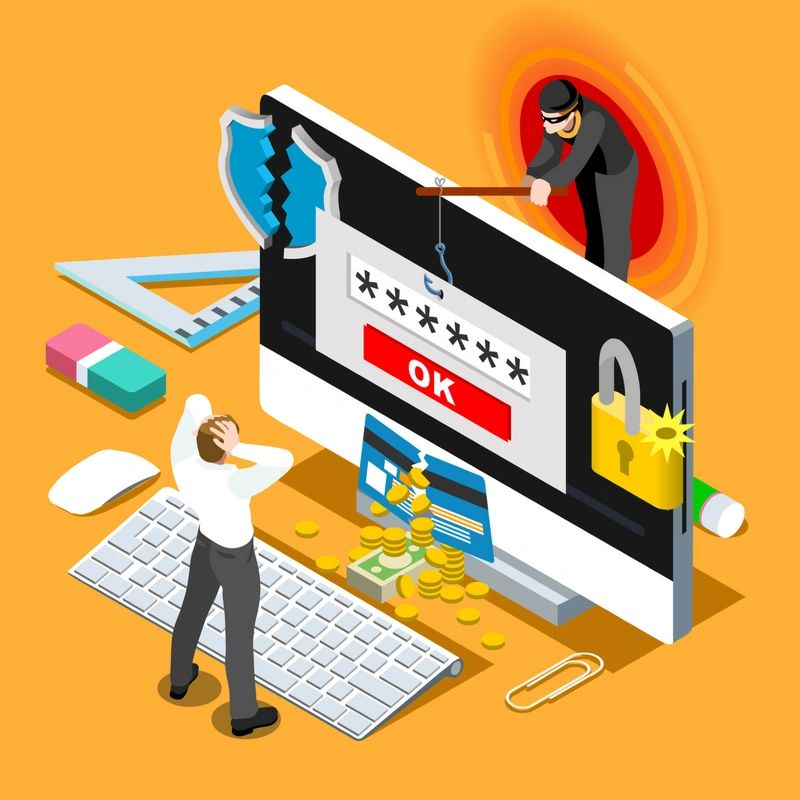
Best Practices for QR Code Security:
Use a QR Code Scanner with Security Features:
- Opt for reputable QR code scanner applications equipped
with built-in security features. - Choose scanners that provide real-time URL scanning,
capable of detecting and alerting you to malicious links.
Verify the Source:
- Before scanning any QR code, scrutinize its source,
especially those found in public spaces or on posters. - Prefer using official apps or websites associated with the
QR code to access information securely.
If you encounter a suspicious QR code or fall victim to a quishing attack, report it to relevant authorities, such as local cybersecurity agenciesor law enforcement.
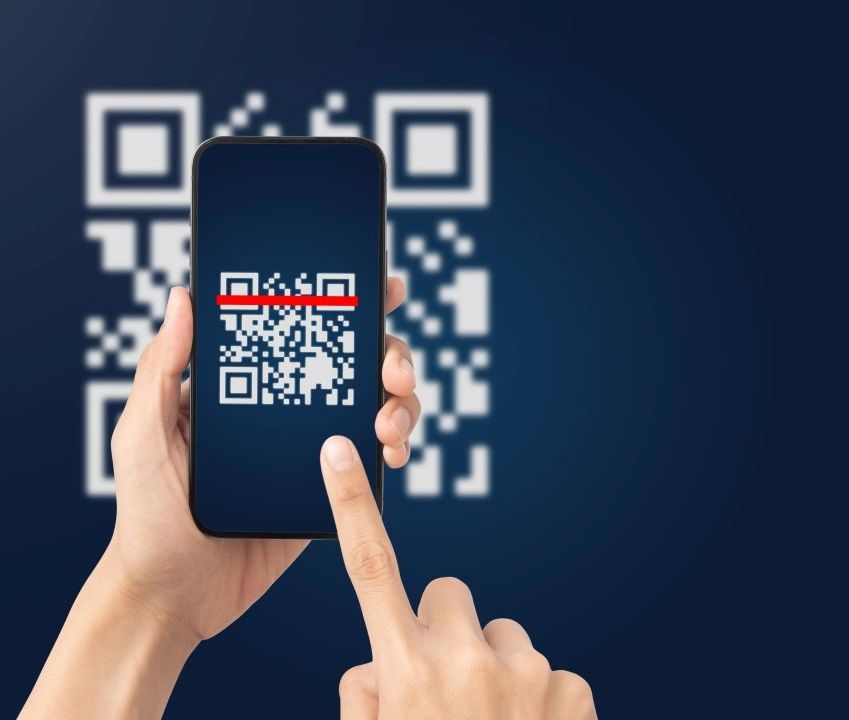
- Exercise caution when confronted with QR codes from
untrusted or unfamiliar sources. - Verify the legitimacy of QR codes received via email, text,
or social media before scanning.
Enable Two-Factor Authentication (2FA):
- Implement 2FA wherever possible, particularly for sensitive accounts like banking or email.
- 2FA adds an extra layer of security, making it more challenging for attackers to compromise your accounts.
Update and Secure Your Devices:
- Keep your scanning devices up to date with the latest security patches.
- Utilize strong, unique passwords and update them regularly to fortify your device security.
Educate Yourself and Stay Informed:
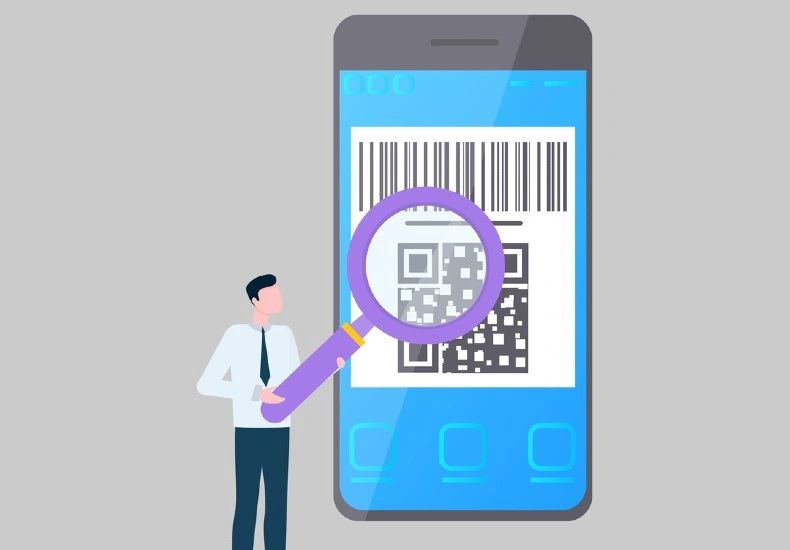
- Stay abreast of the latest cybersecurity threats, including quishing and QR code-related attacks.
- Learn how to distinguish between legitimate and malicious QR codes to make informed decisions.
Be Skeptical of Unsolicited Communications:
- Exercise caution with unsolicited messages, emails, or social media communications containing QR codes.
- Verify the legitimacy of such communications with the purported sender before taking any action.
Check for HTTPS:
- When redirected to a website through a QR code, ensure the site uses HTTPS for secure data transmission.
Monitor Your Financial Statements:
- Regularly review bank and credit card statements for unauthorized or suspicious transactions.
- Report any discrepancies promptly to your financial institution.
Report Suspected Attacks:
- If you encounter a suspicious QR code or fall victim to a quishing attack, report it to relevant authorities, such as local cybersecurity agencies or law enforcement.
By incorporating these practices into your digital habits, you fortify your defenses against quishing attacks and contribute to a safer online experience. Prioritize caution and awareness, especially when interacting with QR codes in public spaces. Stay informed, stay secure.
“Parle Tech: Your Cyber Shield for Tomorrow’s Business.”
Share this post: