
12 January 2024 | Case Studies

Challenge:
Our Healthcare firm faced a critical challenge as the frequency and sophistication of cyber threats increased, exposing us to a heightened risk of data breaches and potential disruptions to our operations. The need for a comprehensive cybersecurity strategy became paramount to ensure the safety of sensitive information and maintain the trust of our clients.
Solution:
In response to this challenge, we devised a multifaceted approach that revolved around proactive user education. Recognizing that a well-informed workforce is our first line of defense, we aimed to create a culture of cybersecurity awareness within the organization.
Implementation:
Phishing Simulation: We initiated regular phishing simulation exercises to replicate real-world attack scenarios. This hands-on approach allowed us to assess and enhance our employees’ ability to recognize and thwart phishing attempts effectively.
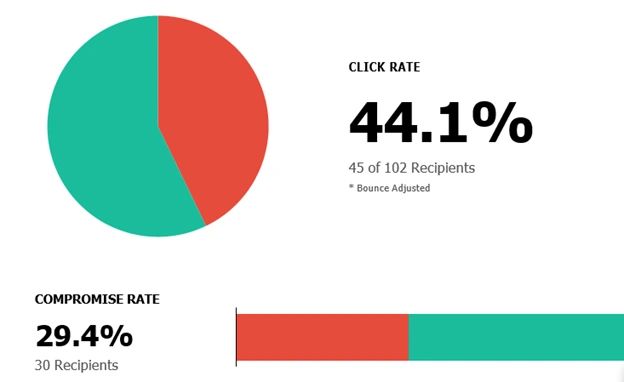
Interactive Training Sessions: Complementing the simulations, we organized interactive training sessions. These sessions covered a spectrum of topics, including the nuances of password hygiene, the psychology behind social engineering tactics, and best practices for secure utilization of company resources.
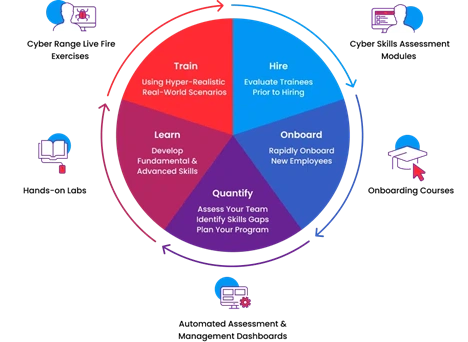
Communication Channels: Understanding the importance of timely reporting, we established clear communication channels to encourage employees to report suspicious emails and security incidents promptly.
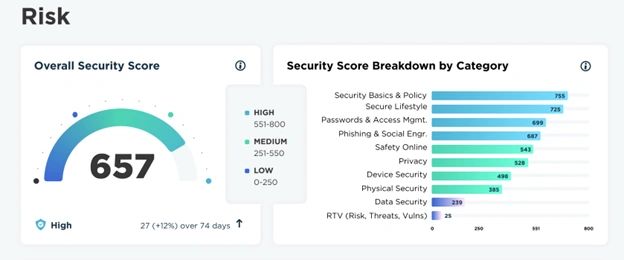
Web-Based Security Tool: To provide continuous support, we introduced a user-friendly web-based security tool accessible to all employees. This tool offered comprehensive training modules on cybersecurity best practices, web protection, email protection, risk monitoring, and more.
Outcome:
The implementation of our comprehensive cybersecurity strategy yielded significant positive outcomes:
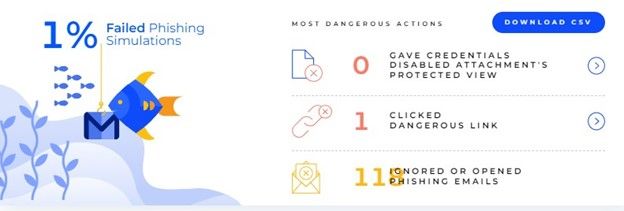
Increased Awareness: Employees developed a heightened awareness of cybersecurity threats and a sense of shared responsibility for safeguarding company information.
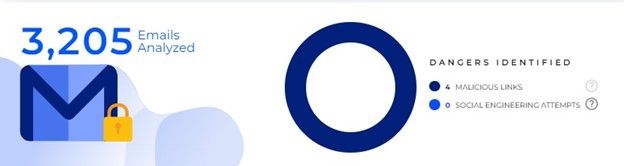
Phishing Resilience: The phishing simulation exercises resulted in a substantial 40% improvement in employees’ ability to identify and report phishing attempts.
Reduced Incidents: The number of cybersecurity incidents, including malware infections and unauthorized access attempts, witnessed a noteworthy reduction of 35%.
Employee Feedback:
Employees expressed satisfaction with the program, noting increased confidence in navigating potential security threats. The web-based security tool received acclaim for its comprehensive coverage and user-friendly interface.
Next Steps:
Encouraged by the positive response, our next steps involve building upon these successes. We plan to:
Continuous Improvement: Continuously refine and enhance our user education initiatives by incorporating the latest cybersecurity trends and emerging threats.
Tool Enhancement: Based on valuable user feedback, we aim to further improve the features of our web-based security tool to better align with evolving cybersecurity challenges.
Conclusion:
Through a steadfast commitment to user education, regular testing of cybersecurity defenses, and the introduction of a robust web-based security tool, we have significantly elevated our overall security posture. Our employees are now not only well-informed but also empowered to identify and mitigate potential threats, contributing to a more resilient and secure work environment.
Share this post: