
8 August 2024 | IT Tips
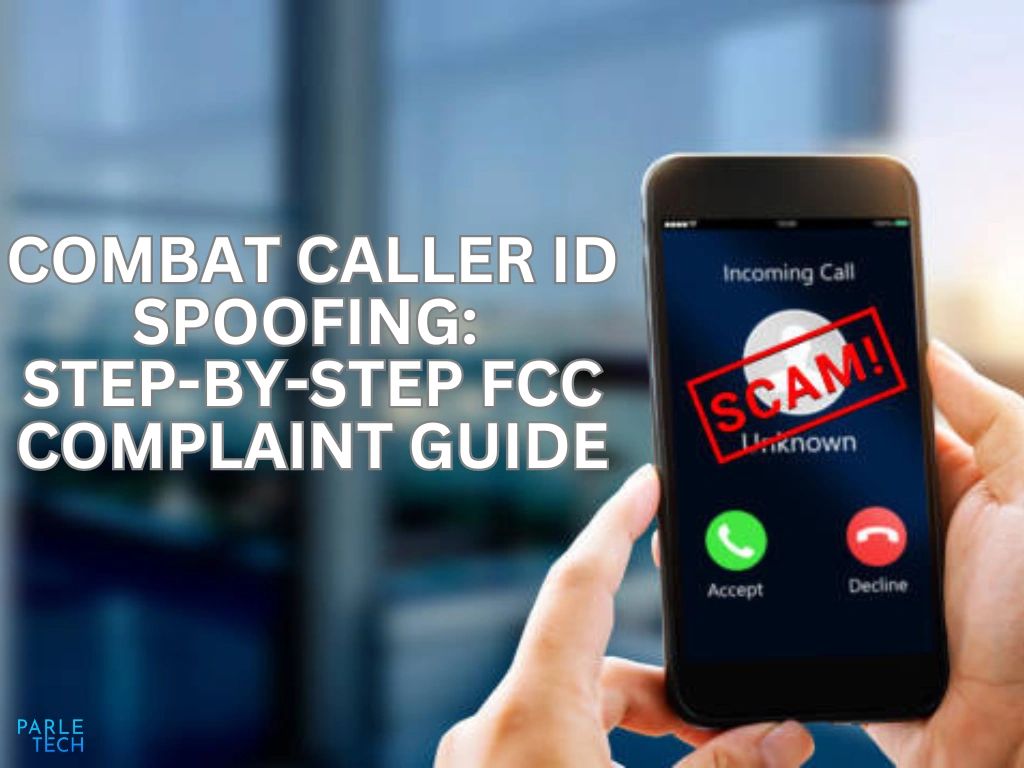
In this digital world, with almost every phone letting the user view the number of the caller before answering, the feature popularly known as Caller ID or Calling Line Identity has been a very important tool to help us decide whether we should answer a call based on the number flashed in front. However, this convenience has been misused by many.
What is Caller ID Spoofing?
Caller ID spoofing is a deceptive practice where the caller deliberately changes the information transmitted to your Caller ID display. This tactic is often used by scammers to impersonate a trusted entity, such as a bank, government agency, or even a personal contact, with the intent to commit fraud, impersonation, or spam through telemarketing campaigns.
Why is Caller ID Spoofing Dangerous?
Spoofing can lead to severe consequences, including financial loss, identity theft, and the spread of misinformation. It undermines trust in communication systems and can be challenging to detect, making it essential for individuals to know how to protect themselves.
“Over 56.2 million U.S. Adults were impacted by the spam and scam call epidemic in 2023”
If you’ve been a victim of Caller ID spoofing, filing a complaint with the Federal Communications Commission (FCC) is a critical step towards addressing the issue. Here’s a detailed guide on how to do it:
Step 1: Gather Information
Before filing your complaint, it’s crucial to gather all relevant details about the spoofing incident. This includes:
Details of the Incident: Note the date and time of the call, the spoofed number, the actual number that called, and any other pertinent details.
Evidence: Collect any evidence, such as call logs or screenshots of the call details, to support your complaint.
Step 2: Visit the FCC’s Website
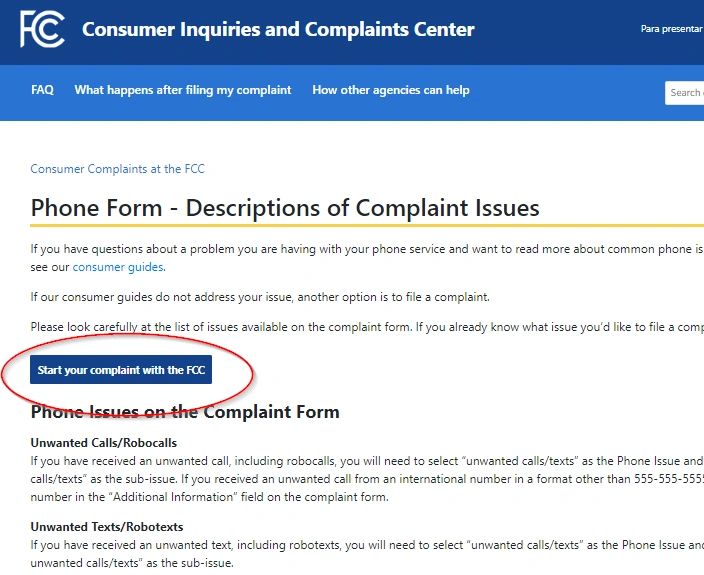
To start your complaint, visit the FCC Consumer Complaint Center. You can access the relevant page directly using this link to the FCC’s complaint form.
Step 3: Start Your Complaint
Once on the FCC’s complaint page, click on “Start your complaint with the FCC.” This will take you to the complaint submission form.
Step 4: Fill in Your Details
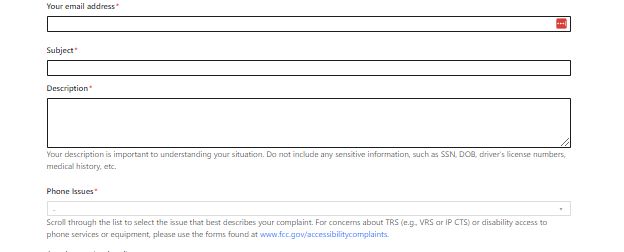
You will be prompted to provide the following information:
Email Address: Enter your email address.
Subject: Provide a subject related to the issue, such as “Caller ID Spoofing Incident.”
Description: Describe the issue in detail, ensuring clarity and thoroughness. Avoid including sensitive information like Social Security Numbers, birth dates, or driver’s license numbers.
Step 5: Select the Relevant Phone Issue
In the “Phone Issue” dropdown menu, you will find multiple options. For caller ID spoofing, select “Unwanted Calls/Texts (including do not call and spoofing)” from the dropdown.
Step 6: Choose the Specific Sub-Issue
After selecting the phone issue, you’ll need to specify the sub-issue. For caller ID spoofing, select “All Unwanted Calls/Texts” to accurately categorize your complaint.
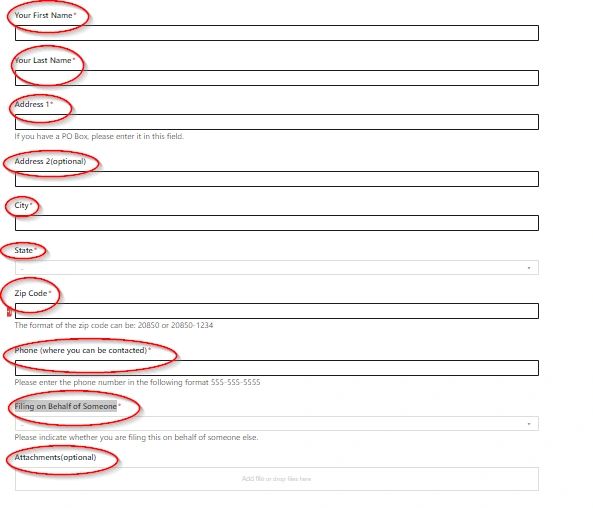
Step 7: Provide Personal Information
Next, you’ll be asked to provide your personal details, including:
First Name
Middle Name
Last Name
Detailed Address
City
State
ZIP Code
Phone Number: The number that was involved in the incident.
Step 8: Filing on Behalf of Someone Else?
You will see a dialogue box labelled “Filing on Behalf of Someone.” Choose “Yes” if you’re filing the complaint on behalf of someone else, or “No” if it’s for yourself.
Step 9: Attach Supporting Documents
If you have any supporting documents, such as screenshots or call logs, you can upload them using the “Attachment” option. These attachments will help the FCC better understand your case.
Step 10: Submit Your Complaint
Once all the information is filled out and the necessary documents are attached, submit your complaint. You should receive a response from the FCC support team within 24 to 48 hours.
“1 in 4 Americans reported losing an average of $452 to scams, totalling over $25.4 billion.”
Caller ID spoofing is a growing concern, but by taking proactive steps like filing a complaint with the FCC, you can help combat this fraudulent practice. Ensure that you gather all necessary information and evidence, and follow the outlined steps carefully to make your complaint as effective as possible. Your actions can not only protect you but also contribute to broader efforts to stop spoofing and protect others from falling victim to this deceitful practice.
Stay vigilant, and don’t hesitate to report any suspicious calls. Together, we can make our communication systems safer.
Follow us for more informative content!
Share this post: