29 June 2024 | IT Tips

Businesses of all sizes are increasingly turning to IT managed services to maintain and enhance their IT infrastructure. IT managed services involve outsourcing the responsibility for maintaining, managing, and supporting IT systems to a third-party provider. This allows businesses to focus on their core operations while ensuring that their IT needs are met by experts. In this blog, we’ll explore the definition, benefits, and various types of IT managed services available to businesses.
What Is IT Managed Services?
IT managed services refer to the practice of outsourcing certain IT functions to a specialized service provider. These services can include a wide range of activities, from network management and cybersecurity to data backup and disaster recovery. The goal is to ensure that the IT infrastructure of a business is reliable, secure, and efficient, without requiring the business to manage these tasks in-house.
Benefits of IT Managed Services
Cost Savings: By outsourcing IT functions, businesses can save on the costs associated with hiring and training in-house IT staff. Managed services providers (MSPs) offer scalable solutions that can be adjusted based on the needs of the business, leading to cost-effective management of IT resources.
Expertise and Experience: MSPs have a team of experts with specialized knowledge in various areas of IT. This ensures that businesses receive high-quality service and stay updated with the latest technological advancements.
Proactive Maintenance: Managed services providers use proactive monitoring and maintenance to identify and resolve potential issues before they become major problems, ensuring minimal downtime and disruption.
Enhanced Security: MSPs implement robust cybersecurity measures to protect businesses from cyber threats, ensuring data security and compliance with regulatory requirements.
Focus on Core Business: Outsourcing IT management allows businesses to concentrate on their core activities without worrying about the complexities of IT infrastructure.
Types of IT Managed Services:

1. Network and Infrastructure Management:
- Network Monitoring and Management: Continuous monitoring of network performance to identify and resolve issues promptly. This includes managing routers, switches, firewalls, and other network devices.
- Infrastructure Management: Maintenance and management of servers, storage systems, and other critical IT infrastructure components to ensure optimal performance and reliability.
2. Cybersecurity Services:
- Security Monitoring: Real-time monitoring of networks and systems to detect and respond to security threats.
- Threat Detection and Response: Implementation of advanced threat detection and response solutions to protect against malware, ransomware, and other cyber threats.
- Compliance Management: Ensuring that the business complies with industry-specific regulations and standards, such as GDPR, HIPAA, and PCI DSS.
3. Data Backup and Disaster Recovery:
- Data Backup: Regular backup of critical business data to prevent data loss due to hardware failures, human error, or cyberattacks.
- Disaster Recovery: Development and implementation of disaster recovery plans to ensure business continuity in the event of a major IT disruption.
4. Cloud Services:
- Cloud Infrastructure Management: Management of cloud-based infrastructure, including public, private, and hybrid cloud environments.
- Cloud Migration: Assisting businesses in migrating their applications and data to the cloud, ensuring a smooth and efficient transition.
5. Help Desk and Technical Support:
- 24/7 Help Desk Support: Providing round-the-clock technical support to resolve IT issues quickly and efficiently.
- Remote and On-site Support: Offering both remote and on-site support to address IT problems and provide assistance as needed.
6. Application Management:
- Application Monitoring: Continuous monitoring of business-critical applications to ensure optimal performance and availability.
- Application Support: Providing support and maintenance for business applications, including software updates and troubleshooting.
7. IT Consulting Services:
- Strategic IT Planning: Assisting businesses in developing and implementing IT strategies that align with their goals and objectives.
- Technology Assessment: Evaluating the current IT environment and recommending improvements to enhance efficiency and performance.
8. Unified Communications:
- VoIP Services: Managing voice over IP (VoIP) systems to ensure reliable and cost-effective communication solutions.
- Collaboration Tools: Implementing and managing collaboration tools such as video conferencing, instant messaging, and team collaboration platforms.

To know clearer understanding of the impact and benefits of IT managed services. Here are a few relevant statistics:
1. Market Growth:
- The global managed services market was valued at USD 161.37 billion in 2020 and is expected to grow at a compound annual growth rate (CAGR) of 12.7% from 2021 to 2028 .
2. Cost Savings:
- According to a CompTIA report, 46% of businesses that use managed services have reduced their annual IT costs by 25% or more .
3. Security Improvements:
- A study by Cisco found that companies using managed security services experience 50% fewer security breaches than those that do not .
4. Focus on Core Business:
- A survey by Deloitte revealed that 57% of businesses outsource IT services to focus more on their core business activities
5. Downtime Reduction:
- Businesses that use managed IT services report a 60% reduction in downtime on average .
6. Proactive Maintenance:
- Proactive maintenance provided by managed services providers can reduce network downtime by 30-50% .
7. Adoption of Cloud Services:
- According to Gartner, 80% of enterprises will have shut down their traditional data centers by 2025 in favor of cloud-based services, many managed by MSPs .
8. Customer Satisfaction:
- A study by ITSM.tools found that 74% of businesses report higher customer satisfaction rates when using managed IT services .
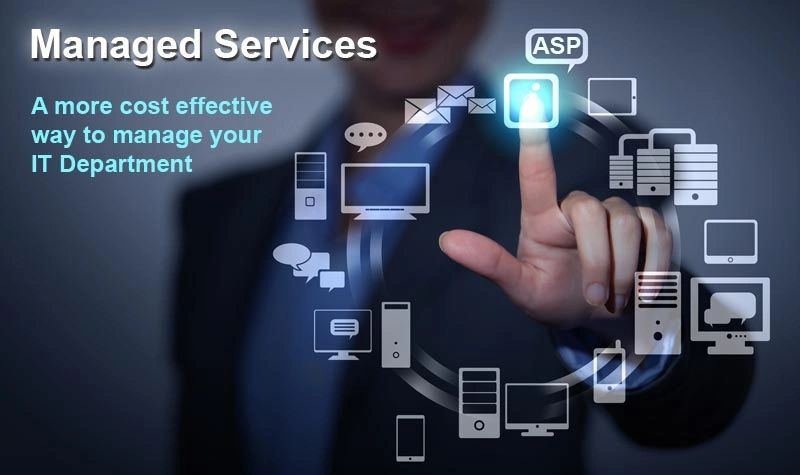
In conclusion, IT managed services offer significant benefits, including cost savings, enhanced security, and reduced downtime. By partnering with an expert like Parle Tech, businesses can ensure that their IT infrastructure is in capable hands. Parle Tech provides comprehensive solutions tailored to meet your unique needs, allowing you to focus on your core business operations while we handle the complexities of your IT systems. Trust Parle Tech for expert IT managed services that drive efficiency and growth.
Schedule your free consultation today!
Share this post: