
29 March 2024 | IT Tips
As data is increasingly valuable and vulnerable, organizations face a growing challenge: protecting sensitive information from unauthorized access, theft, or leakage. Data Loss Prevention (DLP) emerges as a crucial solution in this landscape, offering a comprehensive approach to safeguarding digital assets. Let’s delve deeper into what DLP entails and why it’s essential for businesses of all sizes.
What is Data Loss Prevention (DLP)?
Data Loss Prevention (DLP) is a set of strategies, tools, and processes designed to ensure that sensitive data remains secure and confidential. It encompasses a range of technologies and policies aimed at identifying, monitoring, and protecting sensitive information across various endpoints, networks, and storage systems.
Here are some key aspects of DLP:
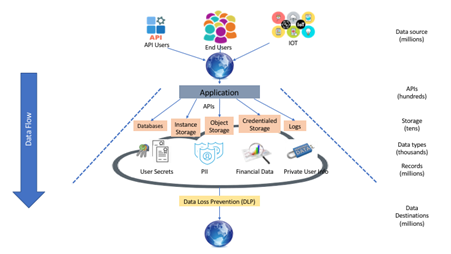
1. Identification of sensitive data:
DLP systems typically classify data based on predefined rules and policies. These rules can include keywords, regular expressions, file types, or data patterns that indicate sensitive information such as personally identifiable information (PII), financial data, intellectual property, or confidential company information.
2. Monitoring and enforcement:
DLP solutions monitor data in motion, data at rest, and data in use. They inspect network traffic, email, file transfers, and other data flows to identify sensitive information and enforce policies to prevent unauthorized actions such as sharing, printing, or saving sensitive data.
3. Policy creation and management:
Organizations define policies specifying how sensitive data should be handled, including who can access it, how it can be transmitted, and where it can be stored. DLP solutions provide tools for creating, customizing, and managing these policies based on organizational requirements and compliance standards.
4. Incident response and reporting:
DLP solutions generate alerts and reports when policy violations occur, enabling organizations to respond quickly to potential data breaches or compliance issues. Incident response capabilities may include automated actions such as blocking or quarantining sensitive data, as well as manual intervention by security teams.
5. Integration with other security controls:
DLP is often integrated with other security technologies such as firewalls, intrusion detection/prevention systems (IDS/IPS), data encryption solutions, and security information and event management (SIEM) systems to provide comprehensive data protection across the organization’s IT infrastructure.
6. User education and awareness:
Effective DLP strategies also include user training and awareness programs to educate employees about the importance of protecting sensitive data and to help them understand their roles and responsibilities in safeguarding sensitive information.

Data Loss Prevention (DLP) Uses:
1. Content inspection:
DLP solutions employ content inspection techniques to analyze data and identify sensitive information. This may include keyword matching, regular expressions, data fingerprinting, document classification, and machine learning algorithms to recognize patterns and structures indicative of sensitive data.
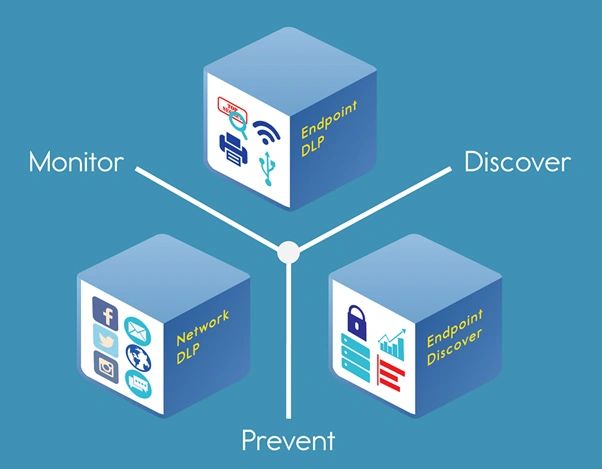
2. Endpoint DLP:
Endpoint DLP agents are installed on endpoints such as desktops, laptops, and mobile devices to monitor and control data transfer activities. These agents can enforce policies related to data usage, prevent unauthorized copying or sharing of files, and encrypt data to protect it from unauthorized access.
3. Network DLP:
Network-based DLP solutions monitor data traffic as it traverses the network, including email, web traffic, file transfers, and other communication channels. These solutions can inspect data packets in real-time, apply policy-based controls, and block or quarantine sensitive information based on predefined rules.
4. Data discovery and classification:
DLP solutions often include data discovery and classification capabilities to identify sensitive data stored within the organization’s IT environment. This involves scanning repositories such as file servers, databases, cloud storage, and endpoints to locate sensitive information and classify it based on its level of sensitivity and importance.
5. Data encryption:
Encryption is used to protect sensitive data both at rest and in transit. DLP solutions may include encryption features to automatically encrypt sensitive data before it is transmitted outside the organization’s network or stored on endpoints or servers. Encryption helps prevent unauthorized access to data even if it is intercepted or accessed by unauthorized users.
6. User and entity behavior analytics (UEBA):
UEBA technologies analyze user behavior and identify anomalous or suspicious activities that may indicate data exfiltration or insider threats. DLP solutions may integrate with UEBA platforms to enhance their ability to detect and respond to potential data breaches or policy violations.
7. Data loss monitoring and reporting:
DLP solutions provide monitoring and reporting capabilities to track data usage, policy compliance, and security incidents. These features enable organizations to gain visibility into their data protection posture, identify trends and patterns, and generate reports for compliance audits and regulatory purposes.
8. Integration with other security tools:
DLP solutions often integrate with other security technologies such as firewalls, intrusion detection/prevention systems (IDS/IPS), identity and access management (IAM) systems, and security information and event management (SIEM) platforms to enhance overall security posture and facilitate centralized management and analysis of security-related data.

Overall, DLP plays a critical role in mitigating the risk of data breaches, ensuring regulatory compliance, and protecting the confidentiality, integrity, and availability of sensitive data within organizations.
With Parle Tech’s tailored DLP solutions, businesses can mitigate the risk of data breaches, ensure regulatory compliance, and safeguard the confidentiality, integrity, and availability of sensitive information. Partner with Parle Tech to strengthen your organization’s security posture and protect your digital assets from evolving threats.
Share this post: