
23 March 2024 | IT Tips
What is Firewall?
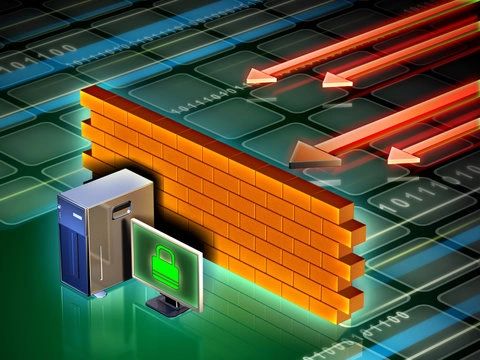
A firewall is a network security device or software application that monitors and controls incoming and outgoing network traffic based on predetermined security rules. Its primary purpose is to establish a barrier between a trusted internal network and untrusted external networks, such as the internet.
Firewalls can be implemented in various forms, including hardware appliances, software applications running on servers or individual computers, or within network devices like routers or switches. They analyze data packets as they pass through the network and apply rules to determine whether to allow or block them based on factors such as source and destination addresses, ports, protocols, and packet contents.

Why do we need it?
The necessity of firewalls, particularly Next Generation Firewalls, lies in their ability to thwart malware and application-layer assaults effectively. Enhanced with an integrated intrusion prevention system (IPS), these Next Generation Firewalls swiftly identify and counter attacks across the entire network. Leveraging pre-established policies, firewalls act decisively to safeguard your network by promptly identifying and neutralizing invasive or suspicious activities like malware. Employing a firewall within your security framework entails configuring tailored policies to regulate inbound and outbound traffic, thereby fortifying your network defenses.
3 Types of Fireball:
1. Packet Filtering Firewalls:
Packet filtering firewalls serve as the first line of defense by scrutinizing incoming and outgoing data packets. These firewalls operate based on predefined security rules, evaluating factors such as IP addresses, ports, protocols, and packet contents.
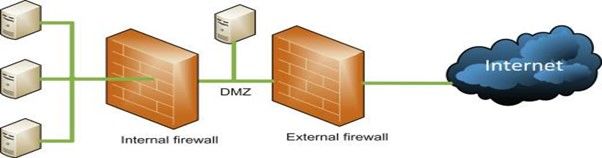
Packets that meet the specified criteria are allowed into the network, while those that don’t are blocked, thus preventing unauthorized access and potential security breaches.
2. Stateful Inspection Firewalls:
Stateful inspection, also known as dynamic packet filtering, represents a more sophisticated approach to firewall protection. These firewalls monitor the state of active connections, analyzing the context of network traffic to make informed decisions about packet transmission.
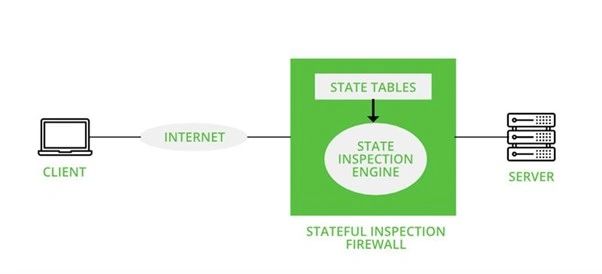
By maintaining awareness of connection states, stateful inspection firewalls enhance security by only permitting legitimate traffic while blocking suspicious or malicious packets.
3. Proxy Firewalls:
Proxy firewalls act as intermediaries between users and the internet, intercepting and filtering requests and responses. By serving as a buffer between internal networks and external sources, proxy firewalls mitigate the risk of direct exposure to cyber threats. These firewalls enhance security by enforcing access controls, masking internal network IP addresses, and providing additional layers of authentication and encryption.

firewalls serve as vital safeguards for networks, creating a barrier between trusted internal systems and potentially harmful external threats. With various forms such as hardware appliances and software applications, firewalls meticulously monitor and control network traffic based on predetermined security rules. Next Generation Firewalls, equipped with intrusion prevention systems, offer advanced protection against emerging threats, ensuring the integrity of data and assets.To stay updated on firewall technologies and security practices, follow our blogs.
Ready to fortify your network’s defenses? At Parle Tech, we understand the critical role of effective firewall solutions in safeguarding your digital assets. Our cutting-edge firewall technologies and expert guidance are tailored to meet the unique security needs of your organization. Don’t wait for a security breach to threaten your operations. Contact us today to explore our range of firewall solutions and services, and take the first step towards a more secure and resilient digital future. Secure your network with Parle Tech – where your safety is our priority.
Share this post: