
21 July 2023 | IT Tips

In today’s interconnected world, the Internet of Things (IoT) has become increasingly prevalent, with devices ranging from smart home appliances to industrial sensors being connected to the internet. While IoT devices bring convenience and automation, they also present security risks that need to be addressed. In this regard, implementing key security measures is crucial to safeguarding your IoT devices and protecting your sensitive information. This article will elaborate on five important security practices to follow for securing your IoT devices.
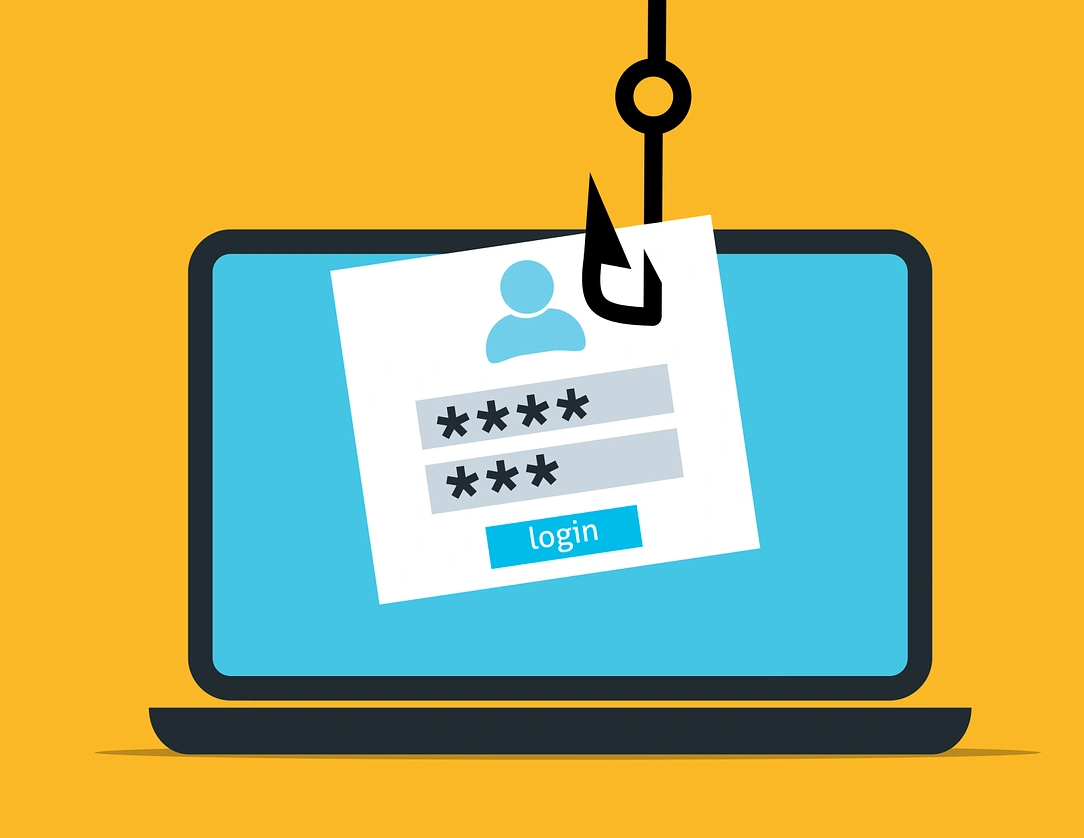
1. Change Default Credentials:
Many IoT devices come with default usernames and passwords that are widely known and easily exploited by hackers. To enhance security, it is vital to change these default credentials to strong and unique combinations. By doing so, you minimize the risk of unauthorized access and protect your IoT devices from being compromised.
2. Keep Software Up to Date:
Regularly updating the firmware and software of your IoT devices is

essential for maintaining optimal security. Manufacturers often release updates that include security patches and bug fixes, addressing vulnerabilities that could be exploited by attackers. By keeping your IoT devices up to date, you ensure that you have the latest protections in place, reducing the likelihood of successful cyberattacks.
3. Enable Device Encryption:

If your IoT devices support data encryption, it is crucial to enable this feature. Encryption ensures that the data transmitted between your devices and the cloud or other connected devices is protected from unauthorized access. By encrypting your data, even if an attacker intercepts it, they won’t be able to decipher the information without the encryption key.
4. Enable Device Tracking and Remote Wipe:
For portable IoT devices, such as smartphones or wearables, enabling features like device tracking and remote wipe can be invaluable. Device tracking allows you to locate your device in case it gets lost or stolen, while remote wipe enables you to erase all the data on the device remotely. These features provide an additional layer of protection against unauthorized access and help mitigate potential risks if your device falls into the wrong hands.
5. Regularly Review Device Logs:
Reviewing the logs of your IoT devices can help you detect any suspicious activities or unauthorized access attempts. By monitoring the logs, you can identify potential security breaches and take appropriate action. If available, enable logging features on your IoT devices, as they can provide valuable insights into the device’s operations and any potential security incidents.

“Securing your IoT devices is crucial to protect your privacy, sensitive information, and prevent unauthorized access to your network. By following these security practices, such as changing default credentials, keeping software up to date, enabling device encryption, utilizing device tracking and remote wipe features, and regularly reviewing device logs, you can significantly enhance the security of your IoT ecosystem. Remember, proactive security measures are essential to stay one step ahead of potential threats and enjoy the benefits of a connected world without compromising your privacy and safety.”
Share this post: