
6 October 2023 | IT Tips
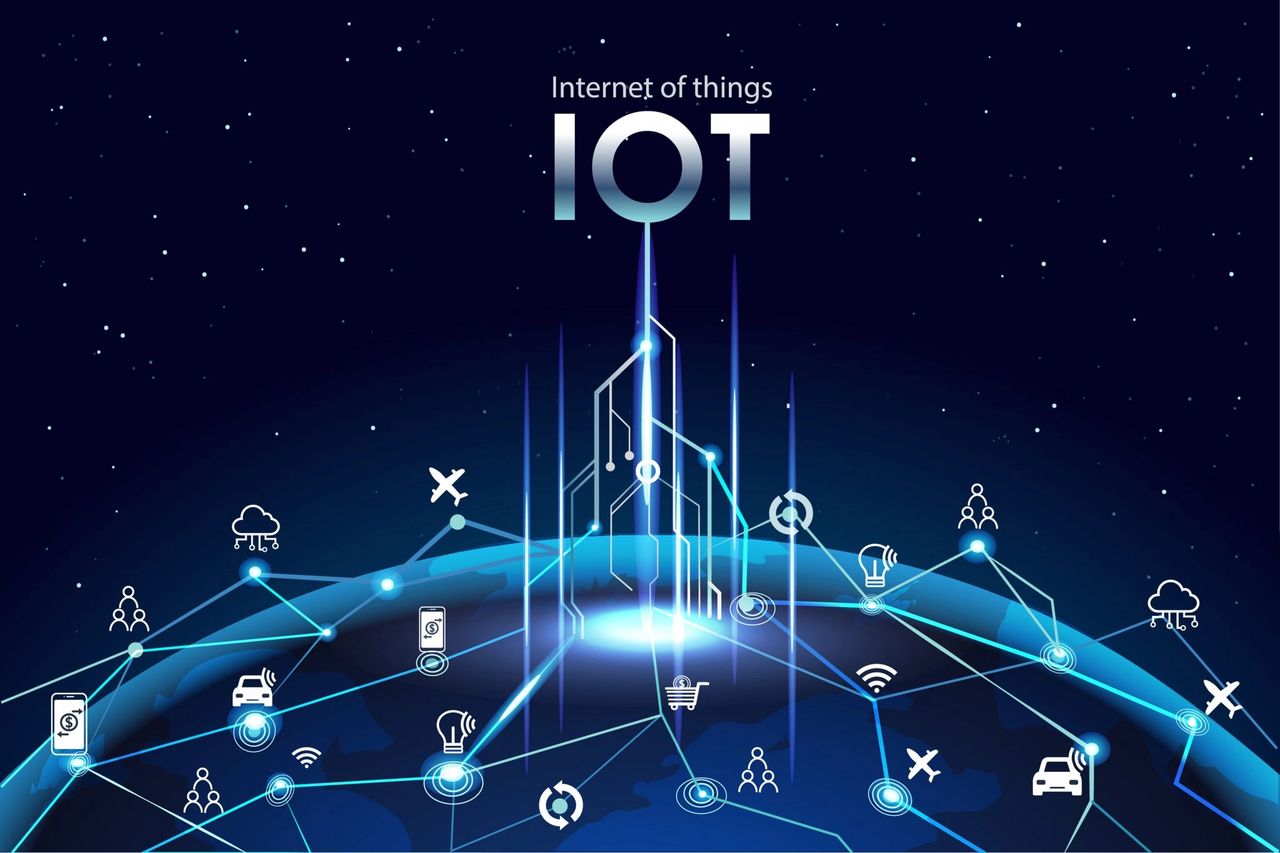
What is IoT:
The Internet of Things (IoT) refers to a network of interconnected physical devices and objects embedded with sensors, software, and other technologies. Its primary purpose is to collect and exchange data over the internet. IoT encompasses a wide range of devices, from everyday household appliances and wearable fitness trackers to complex industrial machinery and infrastructure components. In recent years, IoT technology has garnered significant attention and adoption due to its potential to revolutionize various industries, enhancing efficiency, productivity, and convenience.
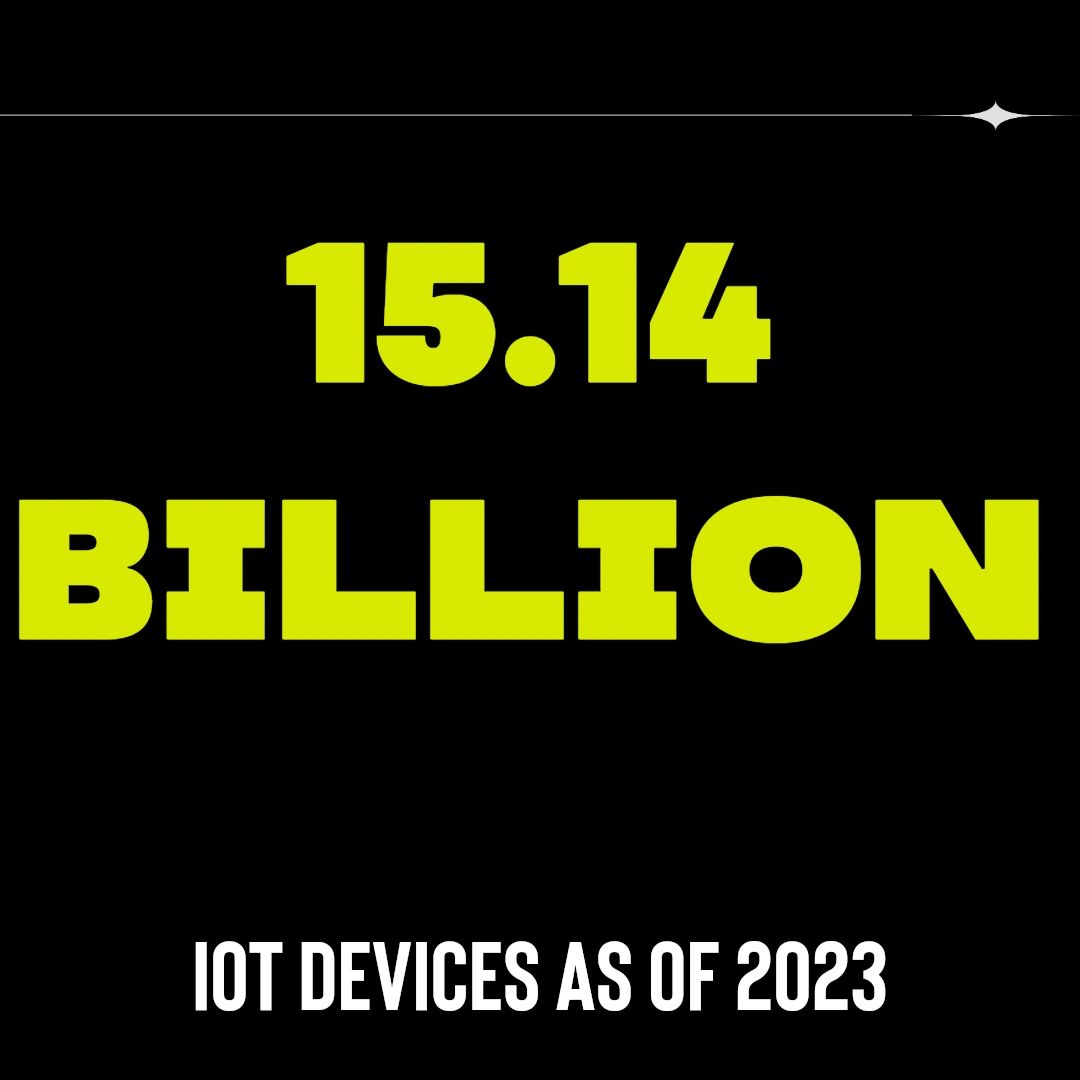
According to Statista’s data, the year 2023 has witnessed the connection of roughly 15.14 billion IoT devices, a number that surpasses the global human population of approximately eight billion, highlighting the significant proliferation of IoT technology.
Key Components and Technologies of IoT:
1. Sensors and Actuators: These are the foundational components of IoT devices. Sensors gather data from the physical world, including parameters like temperature, humidity, and motion. Actuators enable IoT devices to perform actions, such as controlling lighting or adjusting a thermostat.
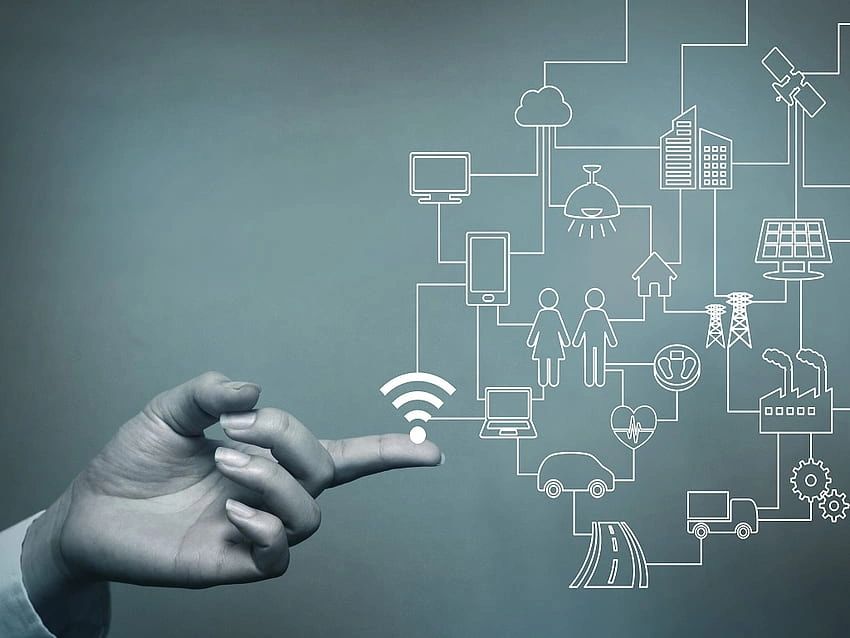
2. Connectivity: IoT devices rely on diverse communication protocols to connect to the internet and other devices. Common connectivity options encompass Wi-Fi, cellular networks (3G, 4G, 5G), Bluetooth, Zigbee, LoRaWAN, among others.
3. Data Processing: IoT devices generate substantial data volumes, requiring processing, analysis, and often data filtering either at the device level or in the cloud. Edge computing is an approach that enables local data processing on IoT devices, reducing latency and conserving bandwidth.
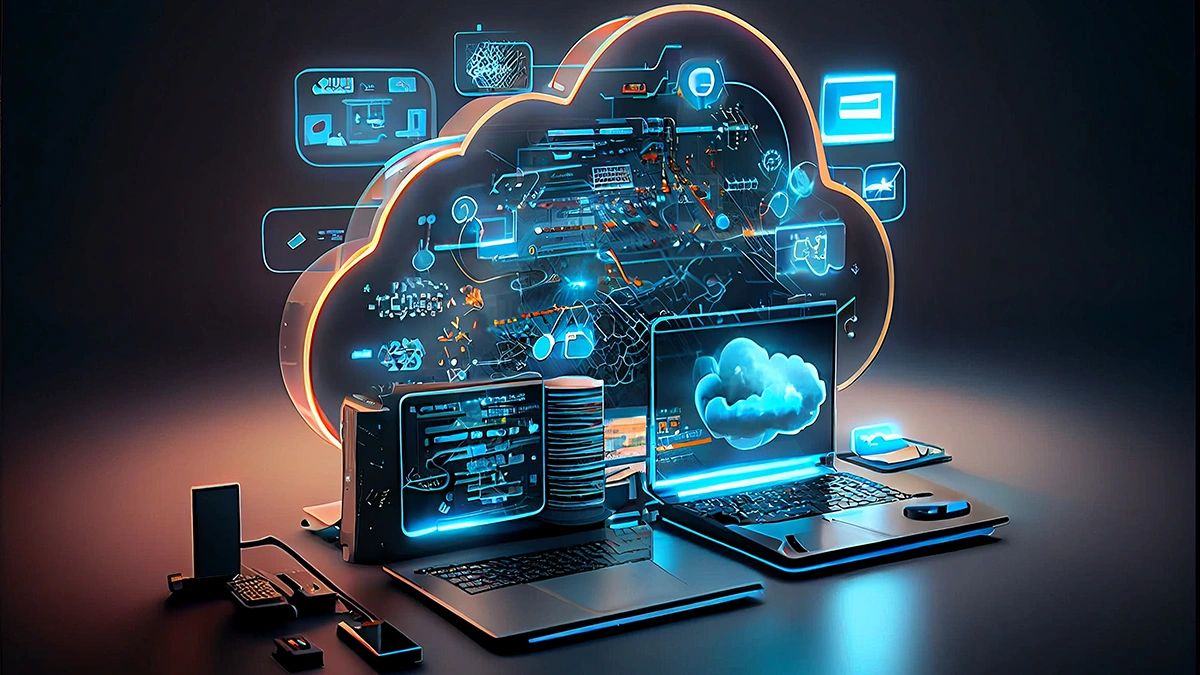
4. Cloud Computing:
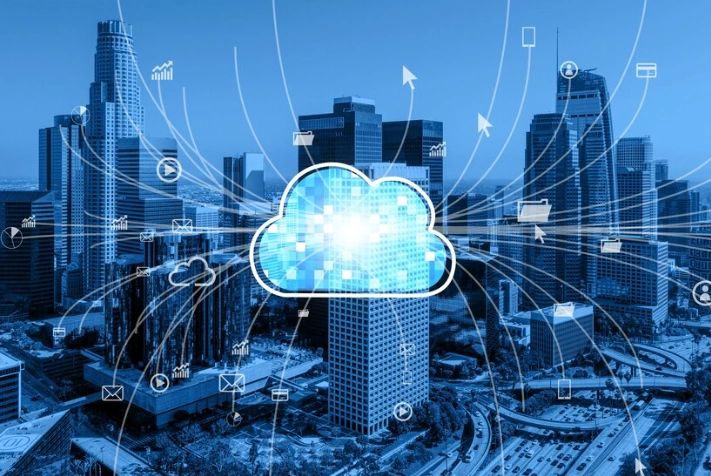
Many IoT applications make use of cloud platforms to store, manage, and analyze data collected from IoT devices. Cloud services offer scalability and robust data processing capabilities.
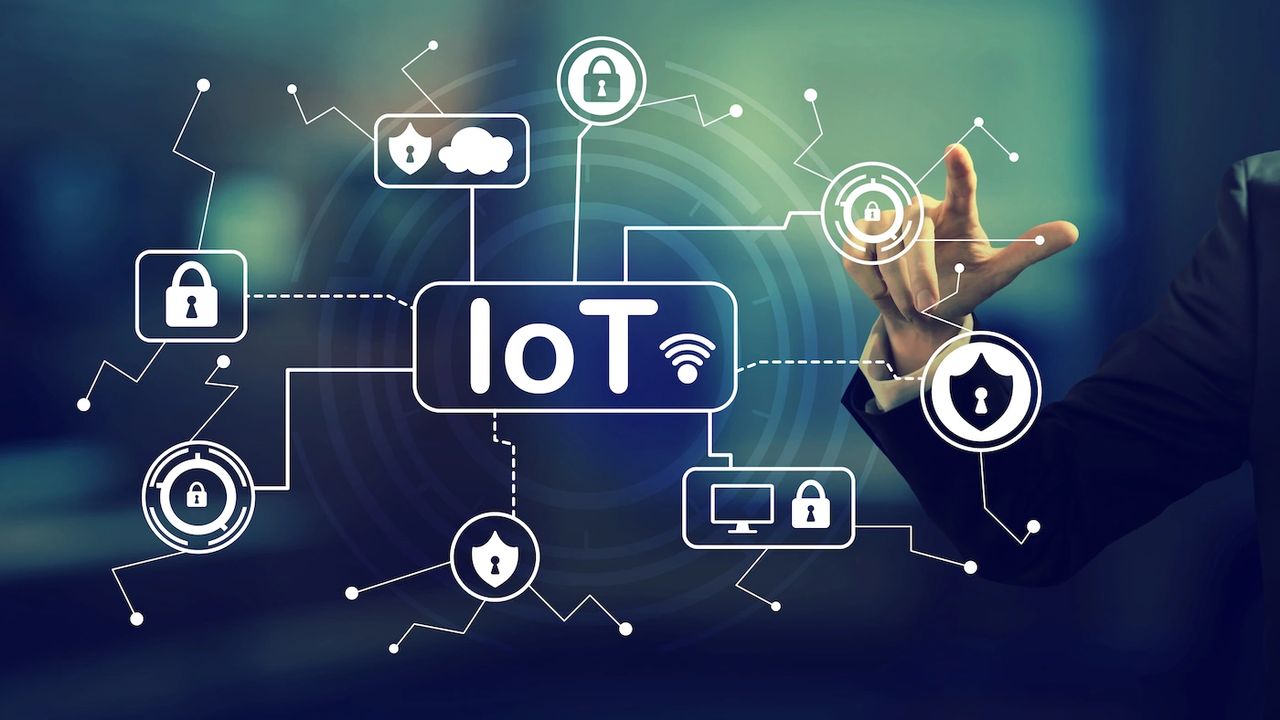
5. Security: Security is a paramount concern in IoT due to potential vulnerabilities in interconnected devices. Encryption, authentication, and regular software updates are critical to safeguard IoT systems from cyberattacks.
6. Data Analytics and Machine Learning: IoT generates copious data that can be leveraged for insights and predictions. Machine learning algorithms are often applied to IoT data to extract valuable information, facilitating predictive maintenance, anomaly detection, and more.
7. User Interfaces: IoT applications commonly feature user interfaces in the form of mobile apps or web dashboards, allowing users to remotely monitor and control connected devices.
8. Energy Efficiency: Many IoT devices operate on batteries or have limited power sources. Designing energy-efficient IoT solutions is vital for prolonging device lifespans and reducing maintenance costs.
IoT Applications in Various Industries:
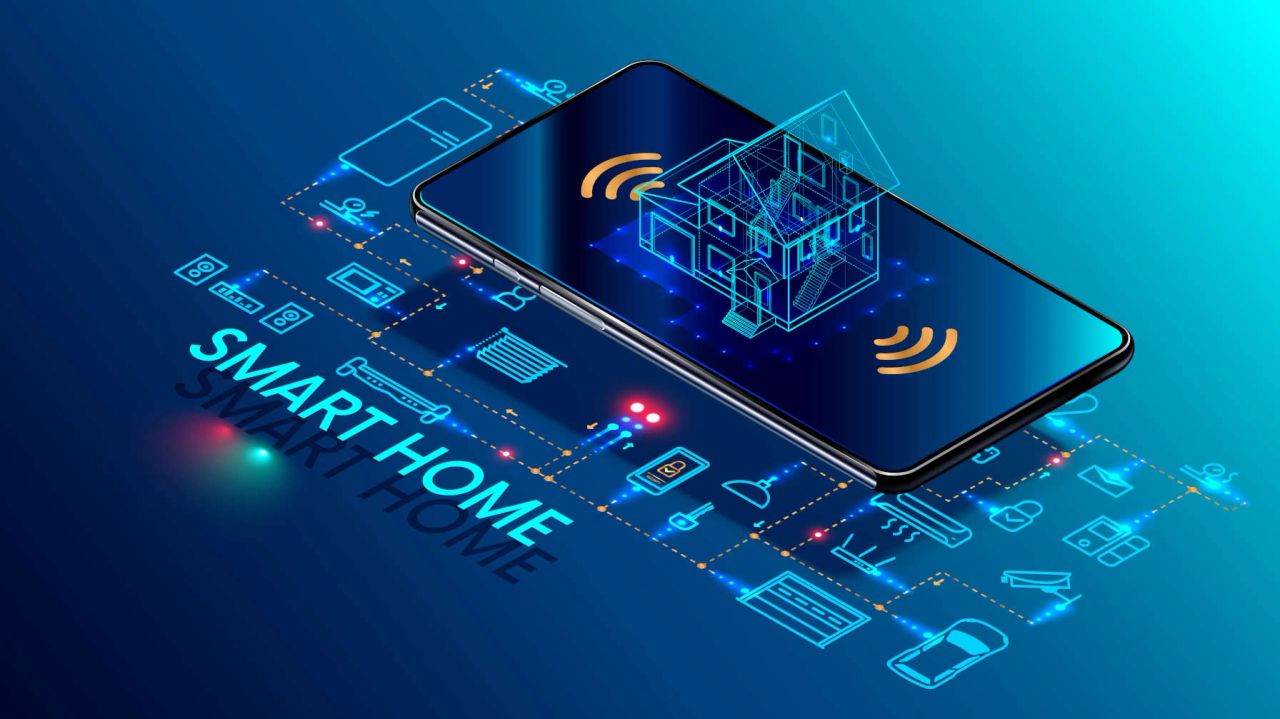
• Smart Homes: IoT devices like smart thermostats, lighting, and security systems enhance home automation and energy efficiency.
Industrial IoT (IIoT): In manufacturing and industry, IoT technology aids in predictive maintenance, process optimization, and real-time equipment and machinery monitoring.
• Smart Cities: IoT contributes to the development of smarter cities by managing traffic, improving waste management, enhancing public transportation, and increasing overall efficiency.
• Healthcare: IoT devices, such as wearable fitness trackers and remote patient monitoring systems, monitor health conditions and enhance healthcare services.
• Agriculture: IoT is instrumental in precision agriculture, enabling farmers to monitor crop conditions, optimize irrigation, and improve crop yields.
• Logistics and Supply Chain: IoT facilitates real-time tracking of goods, enhancing supply chain visibility and efficiency.
• Environmental Monitoring: IoT sensors are deployed for monitoring air and water quality, tracking climate data, and gathering environmental insights.
The Internet of Things (IoT) continues to evolve, and its impact on various aspects of our lives and industries is expected to become even more profound. It is driving innovation and fundamentally transforming the way we interact with the world around us.
However, it’s essential to acknowledge that as IoT technology advances and becomes more integrated into our daily lives, addressing security and privacy concerns becomes increasingly crucial. Ensuring the security of IoT devices and the data they generate is paramount to the widespread adoption and successful implementation of IoT technology.
Explore our blog here for valuable IoT security insights.
Share this post: