
1 September 2023 | IT Tips

Building upon the insights shared in our last article on VPNs, which can be found at https://parletech.com/blog/f/tips-and-tricks-to-use-vpn-safely, we embark on a deeper exploration of the multifaceted world of Virtual Private Networks (VPNs). In this discourse, we delve into the myriad advantages and disadvantages that accompany VPN usage, shedding light on the crucial considerations that guide the decisions of users navigating an ever-evolving digital landscape.
As we journey through the realms of enhanced privacy, fortified security, and the freedom to access content beyond geographical boundaries, we also confront the potential trade-offs, including the spectre of reduced internet speeds and the pivotal importance of selecting a reliable VPN service provider. This exploration seeks to empower individuals and organizations with the knowledge needed to make informed choices in an era where safeguarding online privacy and fortifying digital security are paramount.
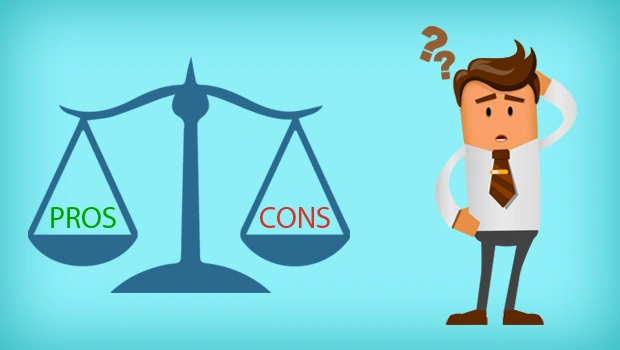
Virtual Private Networks (VPNs) present a spectrum of advantages and disadvantages, contingent on the unique demands and scenarios of users. Here, we delineate the merits and demerits of VPN usage in a more professional context:
Pros of VPN Usage:
Enhanced Privacy: VPNs employ robust encryption mechanisms, rendering it arduous for Internet Service Providers (ISPs), malicious actors, or government entities to surveil online endeavours. Concealment of the actual IP address amplifies privacy and anonymity.
VPN adoption has surged, with global VPN service market revenue projected to reach $106 billion by 2022, reflecting a compounded annual growth rate of over 16% from 2021.
Security: VPNs furnish a fortified conduit for data transmission, substantially diminishing the risk of data interception and cyber intrusions. This is particularly vital when traversing public Wi-Fi networks.
In 2021, there were over 3.5 million recorded cases of cyberattacks related to public Wi-Fi vulnerabilities, accentuating the importance of VPNs.
Access to Restricted Content: VPNs extend the capability to circumvent geo-restrictions, facilitating access to content otherwise barricaded or regulated in specific locales. This encompasses streaming services, websites, and digital resources beyond regional confines.
Around 47% of VPN users employ VPNs primarily for accessing region-locked content, with streaming services being a prominent target.
Protection on Public Wi-Fi: When connected to public Wi-Fi networks prevalent in cafes, airports, and similar locales, a VPN safeguards data against interception by cybercriminals, thus averting potential breaches and data exfiltration.
Public Wi-Fi networks remain susceptible to cyberattacks, with an estimated 57% of public Wi-Fi hotspots lacking encryption or using outdated security protocols.
Bypassing Internet Censorship: In nations where stringent internet censorship prevails, VPNs serve as an indispensable tool for enabling users to explore a free and open internet environment by evading government-imposed restrictions.
Around 29% of internet users globally have employed VPNs to sidestep online censorship, accentuating their role in upholding digital freedom.
Torrenting and P2P File Sharing: VPNs are the go-to choice for individuals engaged in torrenting and peer-to-peer file sharing to shield their identity and data while participating in these activities.
An estimated 85% of P2P users utilize VPNs for anonymity and security while sharing files.
Remote Work and Business Use: VPNs underpin secure remote access to corporate networks, enabling employees to work remotely without compromising the integrity of sensitive business data.
The global VPN market has witnessed accelerated growth due to the surge in remote work, with over 45% year-over-year expansion in VPN usage for business purposes.
Privacy from ISPs: VPNs preclude ISPs from tracking and monetizing users’ browsing habits and data, thus preserving individual privacy.
ISPs are increasingly monetizing user data, with the average revenue per user from data monetization expected to reach $50 by 2024.

Cons of VPN Usage:
Reduced Speed: VPNs can induce latency in internet connections owing to encryption and routing procedures. The extent of this slowdown hinges on factors such as VPN service quality, server location, and users’ internet speed.

On average, VPN-induced speed reductions range from 10% to 25%, contingent on the specific VPN provider and infrastructure.
Cost: High-quality VPN services often entail subscription fees. While free VPN options exist, paid services typically offer superior performance, security features, and customer support.
The global average monthly cost for a premium VPN service is approximately $10, with variations based on features and service providers.
Complexity: Setting up and configuring a VPN can be intricate, especially for non-technical users. User-friendliness varies among VPN clients and services.
Approximately 30% of users encounter difficulties during VPN setup and require external assistance or support.
Trust in the Provider: VPN usage necessitates placing trust in the VPN provider with one’s data. Selecting a reputable provider with stringent no-logs policies and an unwavering commitment to user privacy is paramount.
Transparency and trustworthiness are key factors for VPN selection, with over 60% of users considering the provider’s privacy policy before subscribing.
Blocked by Some Services: Certain online platforms, particularly streaming services, actively restrict VPN traffic to enforce regional content restrictions, potentially limiting access to content from diverse regions.
An estimated 73% of streaming services employ measures to detect and block VPN traffic to enforce content licensing agreements.
Potential for Malicious Providers: Not all VPN providers adhere to ethical practices. Some may log user data, inject advertisements into browsing sessions, or harbor malicious intent. Vigilance and research in choosing a reputable VPN service are imperative.
Instances of malicious VPNs have increased, with over 1,000 rogue VPNs identified in 2022, underscoring the importance of provider selection.
Legality and Regulation: VPN usage may be subject to legal constraints in select countries, although they are generally legal in many regions. Illegitimate use of VPNs for unlawful activities remains a punishable offense.
Over 30% of nations worldwide impose some form of restriction or regulation on VPN usage, emphasizing the need for users to comprehend local laws.
Limited Anonymity: While VPNs augment privacy, they do not confer absolute anonymity. Law enforcement agencies can potentially trace activities back to VPN users with sufficient resources and cooperation from VPN providers.
VPNs have been instrumental in investigations, with law enforcement agencies successfully identifying and apprehending individuals involved in illicit activities via VPN usage.
VPNs present invaluable advantages for safeguarding privacy and security in the digital realm. However, they also entail potential drawbacks such as reduced speed and the imperative need for judicious provider selection. The decision to employ a VPN should be contingent on individual online pursuits and apprehensions.
“Empowering Your Digital Journey: Discover How Parle Technologies Can Elevate Your VPN Experience”
Share this post: