
12 December 2024 | IT Tips

Protecting online accounts is more important than ever. A commonly used method to enhance security is email verification, which serves as a second factor of authentication. This process involves sending a verification link or code to the user’s registered email address to confirm their identity. In this blog, we will examine how email verification works, its benefits, and its potential drawbacks.
How Email Verification Works
Email verification typically involves one of two methods: a verification link or a verification code.
Verification Link
When a user attempts to authenticate, they receive an email containing a unique link. Clicking this link completes the authentication process, confirming the user’s identity.
Verification Code
Alternatively, the user might receive an email with a verification code. The user must then enter this code into the login interface to verify their identity.
Benefits of Email Verification
Email verification offers several advantages that make it a popular choice for two-factor authentication (2FA).
Accessibility
One of the primary benefits of email verification is its accessibility. Unlike methods that require a smartphone, such as SMS-based 2FA or app-based authenticators, email verification can be completed using any device with email access. This makes it an inclusive option for users who may not have access to a smartphone.
Simplicity
Email verification is straightforward and easy to understand. Most users are already familiar with receiving and clicking on links in emails, making this method user-friendly and less likely to cause confusion or frustration.
Drawbacks of Email Verification
While email verification has its advantages, it also comes with some potential drawbacks that need to be considered.
Security Risks
If a user’s email account is compromised, verification emails can be intercepted, undermining the security of the authentication process. Cybercriminals who gain access to the user’s email can potentially use it to bypass the verification step and gain unauthorized access to accounts.
Delivery Delays
Email delivery is not always instantaneous and can be subject to delays. Additionally, verification emails might get caught in spam filters, causing further delays or preventing the user from receiving the email altogether. This can lead to frustration and hinder the authentication process.
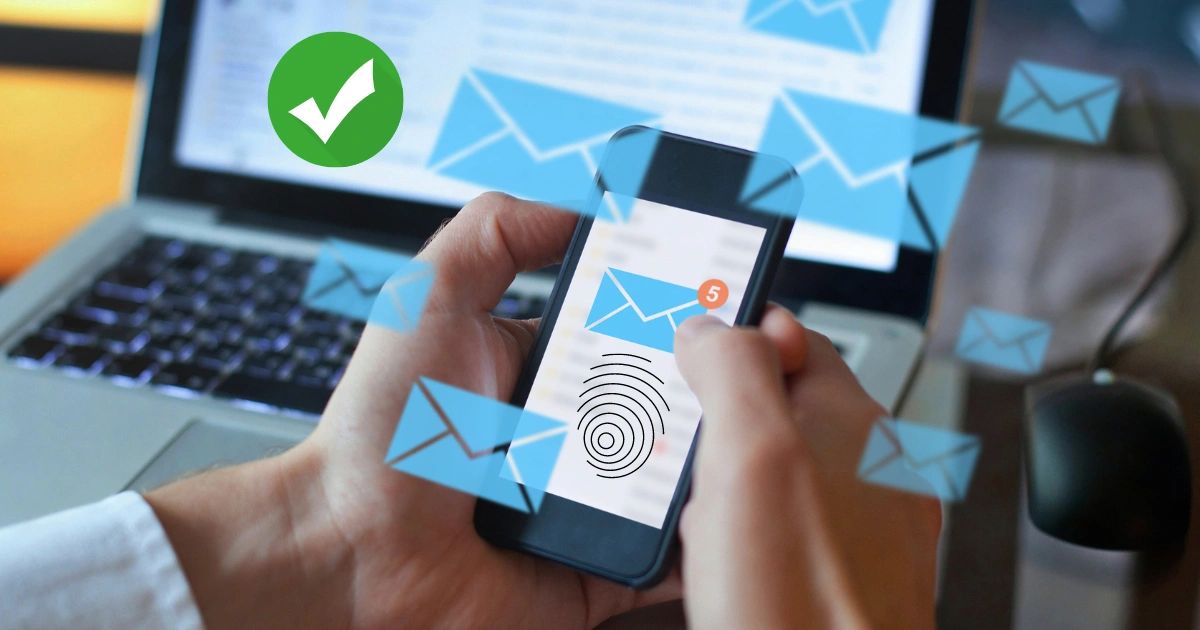
Email verification is a valuable tool for enhancing online security by providing an additional layer of authentication. Its accessibility and simplicity make it a convenient option for many users. However, it is essential to be aware of its potential security risks and the possibility of delivery delays. By understanding both the benefits and drawbacks, organizations can make informed decisions about implementing email verification as part of their security strategy.
Implementing Email Verification with ParleTech
At Parle Tech, we specialize in managed IT support and cybersecurity solutions. If you are considering implementing email verification for your business, our team of experts can help you design and deploy a robust authentication system tailored to your needs. Contact us today to learn more about our services and how we can help secure your digital assets.
Share this post: