
6 February 2024 | IT Tips
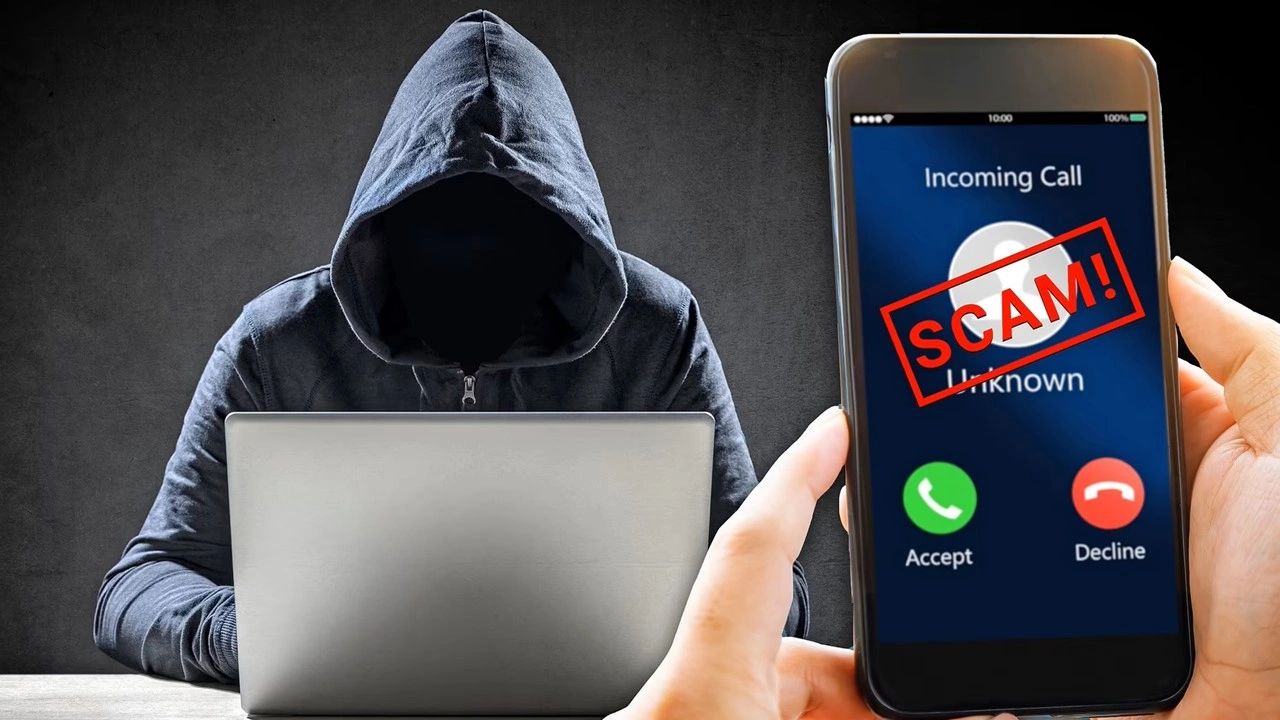
In this interconnected world, the convenience of instant communication comes with its own set of challenges, one of the most pervasive being spam calls and messages. Whether it’s an unsolicited sales pitch interrupting your day or a fraudulent message attempting to steal personal information, dealing with spam can be frustrating and potentially harmful. In this guide, we’ll explore effective tips and tricks to help you navigate and mitigate the risks posed by spam calls and messages. By understanding how to identify and handle these unwanted communications, you can better protect yourself and your personal information in an increasingly digital landscape. From verifying caller information to utilizing smartphone features for filtering, this guide equips you with practical strategies to combat spam and safeguard your privacy. Let’s dive in and arm ourselves with the knowledge needed to stay one step ahead of spammers and scammers.
“According to Truecaller, US users receive an average of 2.1 billion spam calls each month, which is over four minutes long. In 2023, users have wasted 195 million hours answering these calls, mainly during the holiday season. Which is about 17 spam calls per person each day”
Tips for Handling Spam Calls:
1. Check Caller ID: Before answering any incoming call, it’s essential to verify the caller ID. Caller ID displays the phone number and sometimes the name of the person or organization calling you. If the number is unfamiliar or seems suspicious, it’s wise to let it go to voicemail. Many smartphones also have caller ID apps or services that can help identify and block potential spam calls.
2. Don’t Engage: Engaging with a spam caller can have unintended consequences. Responding to the call or pressing any buttons could confirm to the caller that your phone number is active, leading to more spam calls in the future. It’s best to avoid engaging and simply ignore the call if you suspect it’s spam.
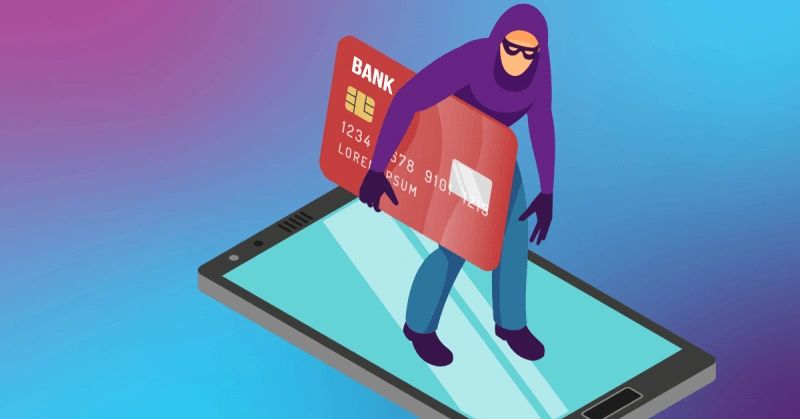
3. Caller ID Spoofing: Caller ID spoofing is a technique commonly used by scammers to manipulate caller ID information. They can make it appear as though the call is coming from a legitimate source, such as a government agency or a reputable company. If the caller ID seems suspicious or inconsistent with the call’s nature, it’s essential to remain cautious and avoid providing any personal information.
4. Verify with the Company: If the caller claims to be from a company or organization, it’s crucial to independently verify their contact information. Instead of relying on the phone number provided by the caller, look up the official contact details of the company from their website or other trusted sources. This can help confirm the legitimacy of the call.
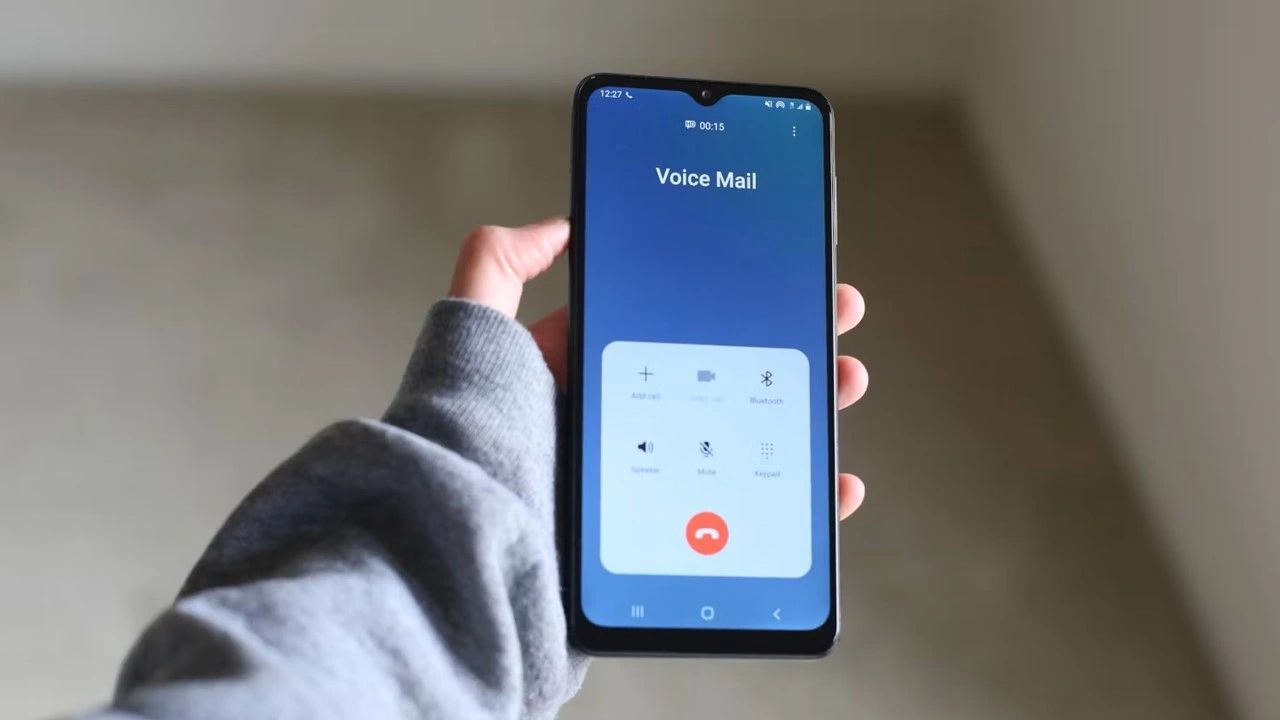
5. Screen Calls with Voicemail: Allowing calls from unknown numbers to go to voicemail is an effective way to screen for spam calls. Legitimate callers will often leave a message if the call is important. By listening to the voicemail, you can determine the nature of the call and decide whether to respond.
6. Regularly Update Contact Lists: Keeping your contact list updated can help you recognize incoming calls more easily. Delete old or unused contacts to streamline your call screening process. Additionally, consider using contact management apps or features on your smartphone to categorize and prioritize contacts.
Tips for Handling Spam Messages:

1. Ignore Unsolicited Messages: Unsolicited messages, especially those requesting personal information or financial transactions, should be ignored. Legitimate businesses and organizations typically don’t initiate contact in this manner. Avoid responding or clicking on any links within the message, as they could lead to phishing scams or malware.
2. Check Sender Information: Verifying the sender’s information is crucial when dealing with spam messages. Check the email address or phone number from which the message was sent. If it looks suspicious or doesn’t match official sources, exercise caution and refrain from responding.

3. Avoid Responding: Responding to spam messages can inadvertently confirm to the sender that your contact details are active, leading to more spam in the future. It’s best to avoid responding altogether and simply delete the message.
4. Report to Authorities: If spam messages are harassing, threatening, or part of a larger scam, consider reporting them to the appropriate authorities. This could include government agencies like the Federal Trade Commission (FTC) or your local consumer protection agency. Reporting such instances can help authorities track down and prosecute scammers.
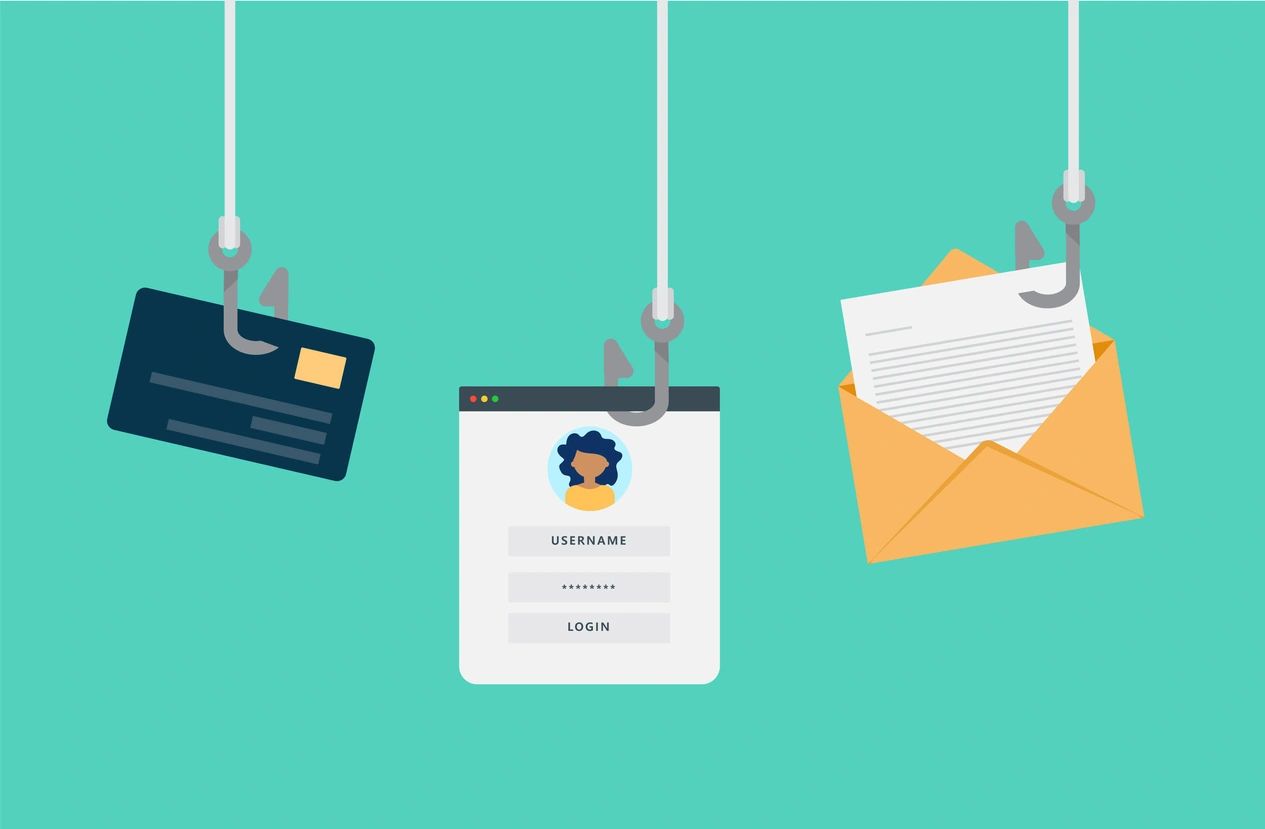
5. Block the Sender: Most smartphones have a feature that allows you to block specific phone numbers or email addresses. If you receive spam messages from a particular sender, block them to prevent further messages from reaching your inbox.
6. Enable SMS Filtering: Take advantage of built-in SMS filtering features on smartphones to categorize and filter messages based on specific criteria. These features can help identify and filter out potential spam messages effectively, reducing the likelihood of them reaching your inbox.
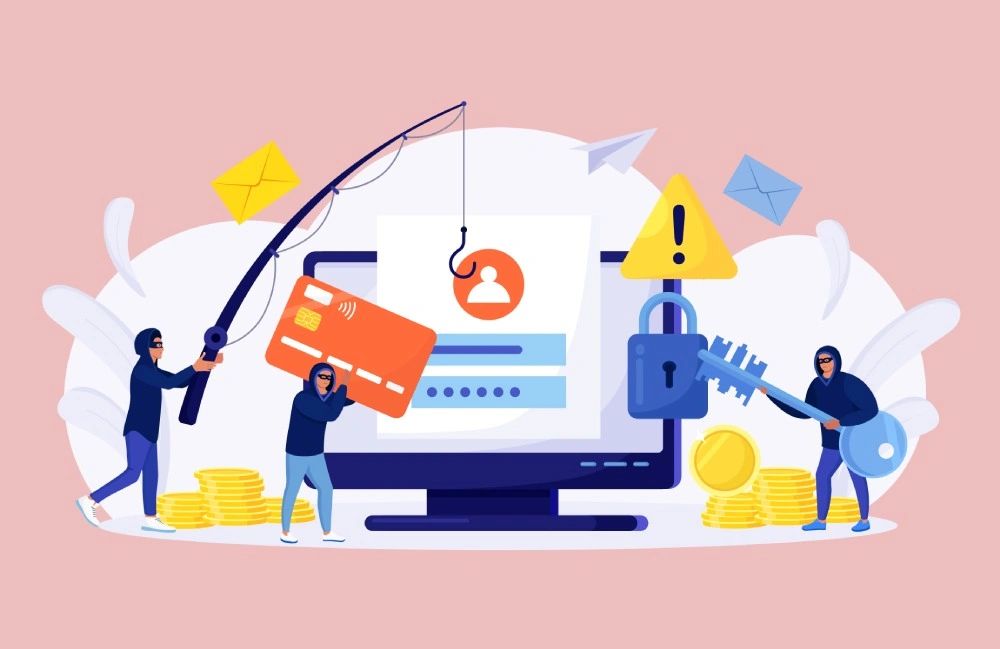
Spam calls and messages continue to be a nuisance and a threat to individuals’ privacy and security. By following these tips and tricks, you can better protect yourself from falling victim to spam-related scams. Stay vigilant, verify caller information, and use available tools and resources to safeguard your personal information from scammers and spammers.
“Guardians of Your Inbox: A Comprehensive Guide by Parle Tech to Tackling Spam Calls and Messages”
Share this post: