
17 August 2023 | IT Tips

In today’s interconnected world, where digital communication and remote work have become the norm, Virtual Private Networks (VPNs) play a crucial role in ensuring the security and privacy of online activities. However, as VPN usage continues to rise, so do the threats and risks associated with it. Cybercriminals are devising new strategies to exploit vulnerabilities and trick users into divulging sensitive information. To safeguard against such threats and maintain the integrity of your VPN usage, it’s essential to adopt a proactive approach to cybersecurity.
As per the Virtual Private Network Statistics 2023,
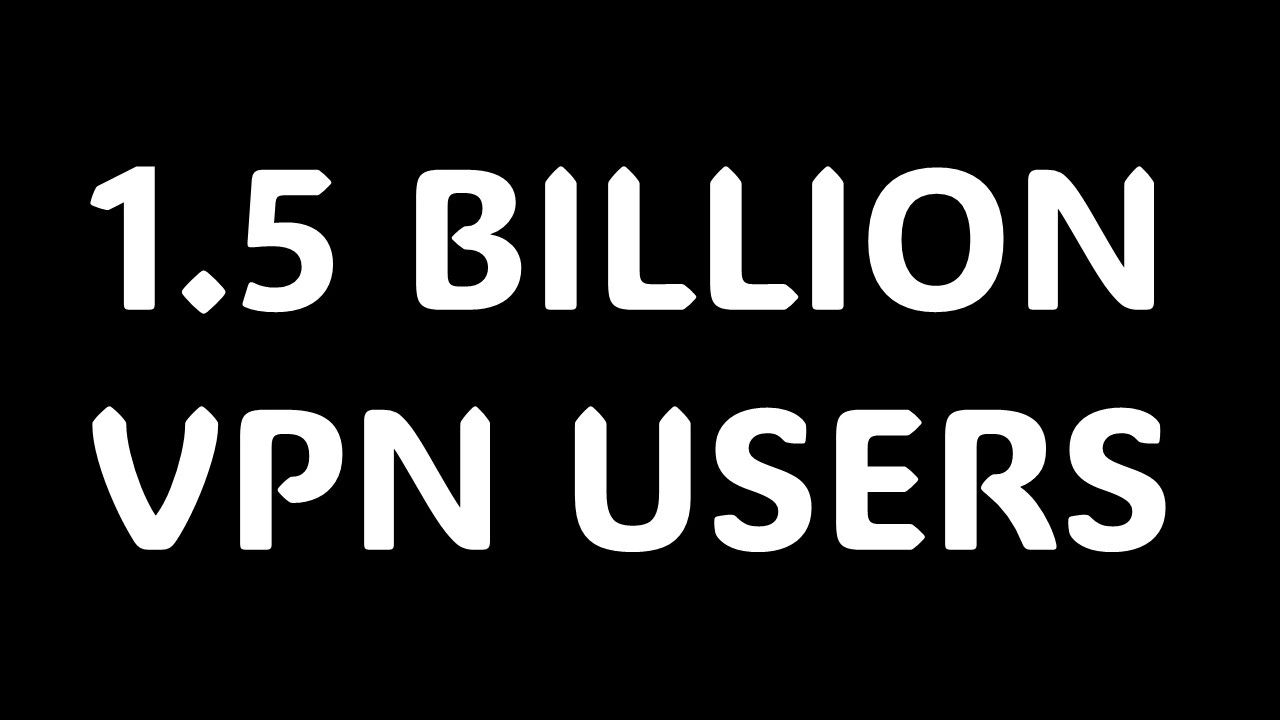
There are 1.5 billion VPN users in the world as of 2023. About 39% of VPN users are between 16 and 24. 43% of people globally feel they lack control over personal information. About one-third of 5.07 billion internet users worldwide use a VPN as of 2023. This article outlines a comprehensive set of best practices and measures to enhance the security of your VPN usage, ranging from network connection to email verification and data encryption.
Best Practices for Secure VPN Usage:
1. Use Trusted Networks: Connecting to a VPN only from trusted networks, such as your home or office, minimizes the risk of falling victim to man-in-the-middle attacks on public networks.
2. Update Software: Regularly updating your operating system, antivirus software, and VPN client with the latest security patches helps to close known vulnerabilities and keep your system secure.
3. Use Secure Protocols: Opt for VPN protocols like OpenVPN or IKEv2 that provide strong encryption and advanced security features, ensuring your data remains confidential and protected.
4. Check Sender’s Email: Verify the authenticity of the sender’s email address and domain. Exercise caution with emails from unfamiliar or suspicious sources to avoid falling for phishing attempts.
5. Look for Urgency and Suspicious Content: Be vigilant about emails that create a sense of urgency, request personal information, or contain unexpected attachments or links. Cybercriminals often employ these tactics to manipulate users.
6. Hover Over Links: Hover your cursor over links in emails to view the actual URL before clicking. This helps you confirm the legitimacy of the link and avoid potential phishing traps.
7. Analyze Email Structure: Scrutinize the grammar, spelling, and formatting of emails. Phishing emails often contain errors that can serve as red flags for their illegitimacy.
8. Verify Requests: If an email solicits sensitive information or actions, take the extra step to verify the request through an alternative communication channel before responding.
9. Beware of Redirects: Exercise caution with emails that direct you to different websites or prompt you to enter login credentials. These tactics might be used to compromise your security.
10. Use Passphrases: Strengthen your online accounts by employing passphrases—longer phrases or sentences that are easier to remember yet more secure than traditional passwords.
11. Incident Response Plan: Develop a well-defined incident response plan outlining the necessary steps in the event of a VPN-related security breach or data leak. Having a plan in place can minimize the impact of such incidents.
12. Backup and Recovery Plans: Implement data backup and recovery plans to ensure that critical information accessed via the VPN can be restored in case of data loss, mitigating potential disruptions.
13. Strong Encryption: Configure your VPN to utilize robust encryption protocols, such as AES-256, to safeguard data transmission between your devices and your organization’s network.
“Secure Your Connection with Confidence: Parle Technologies – Your Trusted Partner for Resolving VPN Challenges!”
Share this post: