16 August 2024 | IT Tips
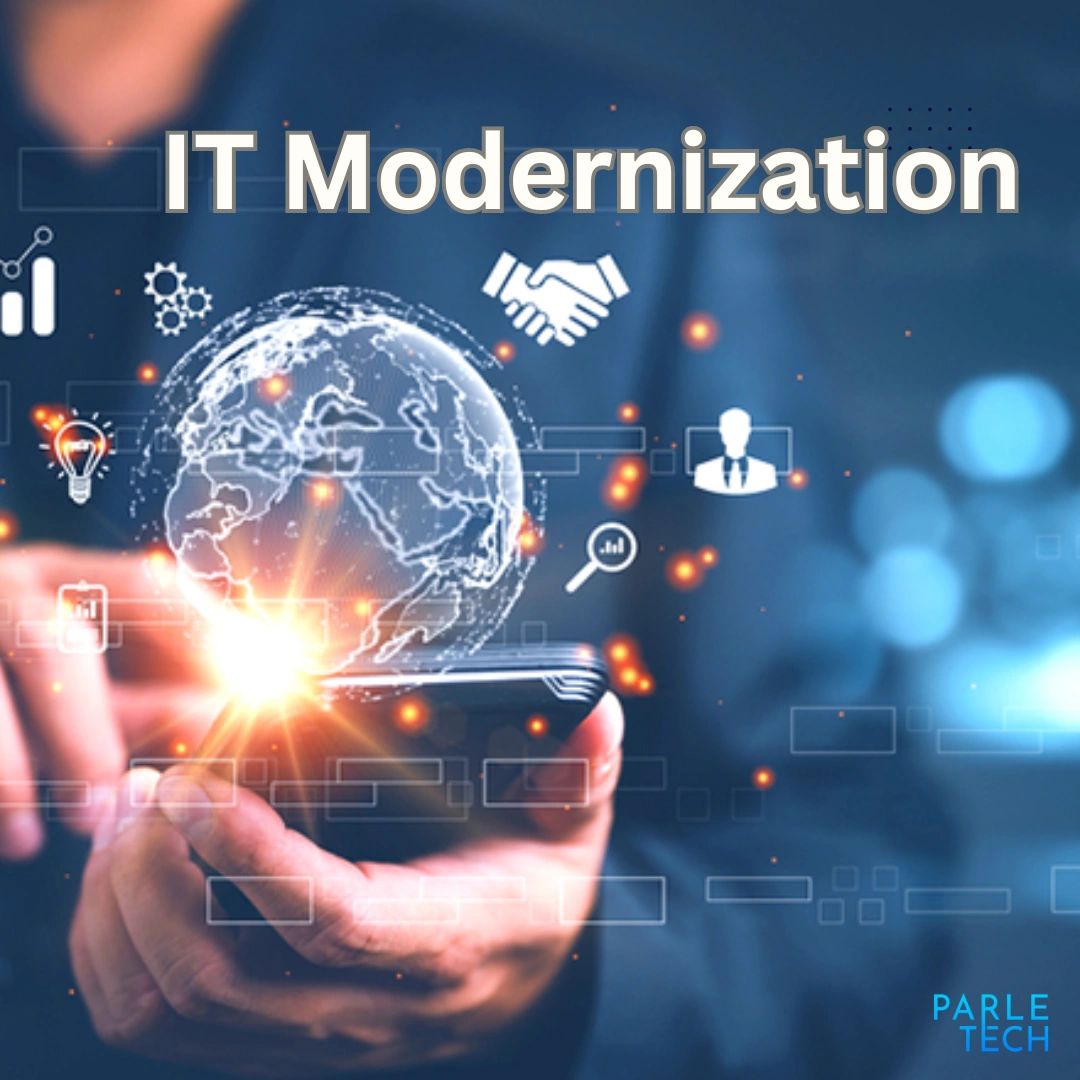
Businesses today face a pivotal choice: embrace technological advancements or risk being left behind. Gartner reports a rising demand for IT modernization, with 76% of CIOs noting increased needs for new digital products and services during the pandemic, and 83% anticipating this trend to grow further. Modernizing infrastructure, from databases to network endpoints, requires strategy, resources, and investment. However, neglecting legacy system upgrades, cloud adoption, or zero trust security can hinder a company’s future growth.
By strategically updating IT systems with cloud computing, AI, and robust cybersecurity, organizations can stay competitive. This blog will guide IT professionals and business leaders through the benefits of modernization and how it’s driving success for many companies.
What is IT Modernization?
IT modernization refers to the process of updating or overhauling an organization’s technology infrastructure, systems, and processes to meet current business needs and future demands. It involves adopting new technologies, transitioning from outdated legacy systems, improving cybersecurity measures, and leveraging cloud computing, artificial intelligence (AI), and data analytics.
Essentially, IT modernization is about transforming an organization’s digital ecosystem to make it more agile, efficient, and capable of supporting innovation.
Key Components of IT Modernization
1. Infrastructure Modernization: This involves migrating from on-premises data centers to cloud platforms, adopting virtualization, and implementing scalable solutions that can handle the increased demands of modern workloads.
2. Application Modernization: Legacy applications are often inflexible, difficult to maintain, and costly. Application modernization focuses on re-architecting or replacing these systems with modern, cloud-based, and user-friendly solutions that can integrate more seamlessly with other technologies.
3. Data Management and Analytics: Modern IT strategies prioritize data as a valuable asset. IT modernization often includes the adoption of advanced data analytics tools, AI, and machine learning to leverage data insights for better decision-making.
4. Cybersecurity Enhancements: With the growing threat of cyberattacks, IT modernization places a strong emphasis on robust cybersecurity measures. This includes modernizing firewalls, implementing advanced threat detection systems, and ensuring data compliance with regulations.
5. Agile Development and Automation: Modern IT systems often focus on adopting agile development practices and automating repetitive tasks to increase efficiency and reduce human error.
Why is IT Modernization Crucial?
1. Increased Efficiency: Outdated technology often requires more time, effort, and resources to maintain, which can slow down operations. IT modernization introduces automation, streamlined processes, and more efficient systems that help organizations optimize their workflows and reduce operational costs.
2.Enhanced Security: Legacy systems are more vulnerable to cyber threats. As cyberattacks become more sophisticated, it is crucial to modernize IT infrastructure to protect sensitive data, comply with security regulations, and reduce the risk of breaches.
3. Improved Scalability and Flexibility: Modern IT infrastructure is designed to scale with business growth. Cloud computing, for instance, allows businesses to expand their storage and computing power as needed without large upfront investments in hardware. This flexibility ensures businesses can quickly adapt to changes in the market or customer demands.
4. Competitive Advantage: In today’s fast-paced market, innovation is key to staying ahead of the competition. IT modernization empowers businesses with the tools and capabilities needed to develop new products, services, and solutions faster and more effectively than competitors still relying on outdated systems.
5. Better Customer Experience: Modern IT systems enable businesses to deliver faster, more personalized, and seamless experiences to their customers. This can improve customer satisfaction, loyalty, and ultimately drive revenue growth.
6. Cost Reduction: While the initial investment in IT modernization can be significant, the long-term savings often outweigh the costs. Modern systems are typically more cost-efficient to maintain, require fewer manual interventions, and offer better energy efficiency, leading to lower overall costs.
The Future of IT Modernization
As businesses continue to embrace digital transformation, IT modernization will only grow in importance. Emerging technologies such as AI, machine learning, the Internet of Things (IoT), and blockchain will further push the boundaries of what is possible, offering even greater opportunities for businesses to innovate.
Organizations that prioritize IT modernization today will be better positioned to navigate future challenges, capitalize on new opportunities, and maintain a competitive edge in an ever-changing business environment.
Why Choose Parle Tech for IT Modernization?
At Parle Tech, we combine deep technical expertise with a customer-first approach to deliver IT modernization solutions that drive real business results. Our team of professionals is committed to understanding your unique needs and challenges, offering customized solutions that align with your business objectives.
With Parle Tech by your side, you’ll gain the confidence and capability to modernize your IT infrastructure effectively—ensuring your organization is positioned to thrive in today’s competitive digital world.
________________________________________
Whether you’re just beginning your IT modernization journey or looking to enhance your existing infrastructure, Parle Tech is here to help you succeed. Contact us today to learn more about how we can support your business transformation efforts!
Share this post: